
Hip Replacement Surgery: When It’s Needed, the Procedure, and Recovery
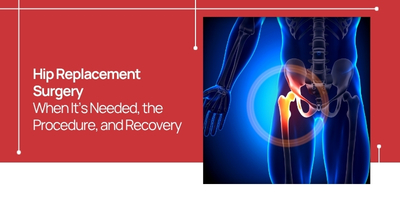
A hip replacement surgeon in Indiranagar can help patients understand whether persistent hip pain requires surgery or can still be managed through medication, physiotherapy, and other treatments. Hip discomfort may begin as occasional stiffness or difficulty climbing stairs, but as joint damage progresses, even simple activities such as walking, sitting, or getting out of bed can become painful.
Conditions such as osteoarthritis, rheumatoid arthritis, and serious hip injuries can gradually affect joint function. When conservative treatments no longer provide sufficient relief, hip replacement surgery may become an appropriate option.
However, not every patient with hip pain needs surgery. The decision depends on the extent of joint damage, severity of symptoms, overall health, and impact on daily activities.
This guide explains when hip replacement is recommended, how the procedure works, potential risks, recovery timelines, and how to prepare for an orthopaedic consultation.
What Is Hip Replacement Surgery?
Hip replacement surgery, also called hip arthroplasty, is a procedure in which damaged portions of the hip joint are replaced with artificial components.
The hip is a ball-and-socket joint. The ball-shaped head of the thigh bone (femur) fits into a socket in the pelvis called the acetabulum.
Healthy cartilage allows these surfaces to move smoothly. When cartilage becomes damaged or wears away, the bones may rub against each other, causing pain, stiffness, and restricted movement.
During total hip replacement, the surgeon replaces the damaged joint surfaces with artificial components made from materials such as metal, ceramic, and medical-grade plastic.
The main objectives are to:
- Reduce persistent hip pain.
- Improve joint movement and mobility.
- Make everyday activities more comfortable.
- Restore functional independence where possible.
- Improve quality of life in patients with significant joint damage.
An orthopedic surgeon near Indiranagar can assess whether hip replacement is suitable based on clinical examination, imaging, and previous treatment response.
When Is Hip Replacement Surgery Needed?
Hip replacement is generally considered when joint damage causes substantial pain or disability that does not improve adequately with non-surgical treatment.
1. Severe Hip Osteoarthritis
Osteoarthritis is one of the most common reasons for hip replacement.
It develops when joint cartilage gradually deteriorates, resulting in pain, stiffness, and reduced movement.
Patients may experience:
- Persistent pain in the groin, hip, or thigh.
- Difficulty walking or climbing stairs.
- Stiffness after periods of inactivity.
- Reduced ability to bend or rotate the hip.
- Pain that interferes with sleep.
2. Rheumatoid Arthritis
Rheumatoid arthritis is an autoimmune condition that causes inflammation in joints.
Over time, persistent inflammation can damage cartilage and bone, making joint replacement necessary in some patients.
3. Avascular Necrosis
Avascular necrosis occurs when blood supply to part of the bone is disrupted, causing bone tissue to deteriorate.
When it affects the femoral head, the joint surface may collapse, leading to severe pain and reduced function.
4. Hip Fractures and Serious Injuries
Certain hip fractures, particularly in older adults, may require a partial or total hip replacement.
The surgical approach depends on the fracture pattern, bone quality, mobility before the injury, and overall medical condition.
5. Persistent Pain Despite Conservative Treatment
A hip replacement surgeon in Indiranagar may recommend surgery when medications, physiotherapy, activity modification, or walking aids no longer provide adequate relief.
The decision is based on symptoms and functional limitations, not solely on X-ray findings or age.
What Are the Signs You May Need Hip Replacement?
Hip pain does not automatically mean surgery is necessary.
However, an orthopaedic evaluation becomes important when you experience:
- Hip pain that continues despite treatment.
- Difficulty walking short distances.
- Pain while resting or sleeping.
- Persistent stiffness affecting routine movement.
- Difficulty putting on footwear or getting into a vehicle.
- Reduced independence in daily activities.
Patients searching for the best orthopedic doctor in Indiranagar should prioritise a specialist who evaluates the underlying condition and explains both surgical and non-surgical options.
What Are the Different Types of Hip Replacement Surgery?
The type of surgery depends on the patient’s joint condition, age, bone quality, and overall health.
Total Hip Replacement
Total hip replacement involves replacing both the damaged femoral head and the socket surface.
It is commonly recommended for advanced joint damage caused by osteoarthritis and certain other conditions.
Partial Hip Replacement
Partial hip replacement, also called hemiarthroplasty, replaces the femoral head while leaving the natural socket intact.
It is often considered for selected hip fractures, particularly in older patients.
Revision Hip Replacement
Revision surgery involves replacing or repairing components of an existing artificial hip joint.
It may be required if an implant becomes loose, wears out, becomes infected, or develops another complication.
The appropriate procedure should be determined after specialist evaluation.
How Is Hip Replacement Surgery Performed?
Hip replacement surgery follows several stages, beginning with medical assessment and ending with post-operative rehabilitation.
Step 1: Pre-Operative Assessment
Before surgery, the medical team reviews the patient’s medical history, medications, and general health.
Investigations may include blood tests, hip X-rays, an ECG, and other tests when clinically indicated.
Patients with diabetes, heart disease, or other medical conditions may require additional assessment.
Step 2: Anaesthesia
Hip replacement may be performed under spinal or general anaesthesia, depending on the patient’s condition and surgical requirements.
The anaesthesiologist explains the recommended technique, its benefits, and potential risks.
Step 3: Removing the Damaged Joint Surfaces
The surgeon makes an incision to access the hip joint.
Damaged bone and cartilage are removed, and the remaining structures are prepared for the artificial components.
Step 4: Implant Placement
The surgeon positions the artificial socket and femoral components.
The implants may be fixed using bone cement or designed to allow bone to grow onto their surfaces.
The choice depends on several factors, including bone quality and implant design.
Step 5: Closure and Recovery Monitoring
After checking joint stability and movement, the surgeon closes the incision.
The patient is transferred to a recovery area where the medical team monitors vital signs, pain, and recovery from anaesthesia.
A primary hip replacement procedure commonly takes approximately one to two hours, although more complex operations may take longer.
How Should You Prepare for Hip Replacement Surgery?
Preparation can help reduce complications and support recovery.
Your healthcare team may recommend:
- Medical optimisation: Managing diabetes, blood pressure, anaemia, and other conditions before surgery.
- Medication review: Discussing blood thinners, supplements, and regular medicines with your doctor.
- Physical preparation: Performing suitable strengthening exercises when recommended.
- Smoking cessation: Stopping smoking to support healing and reduce complications.
- Home arrangements: Preparing a safe walking space and arranging assistance during early recovery.
- Pre-operative instructions: Following the hospital’s guidance on fasting, hygiene, and admission.
Patients considering an orthopedic specialist hospital in Bangalore should ask whether coordinated pre-operative assessment, anaesthesia support, and post-operative rehabilitation are available.
What Is the Recovery Time After Hip Replacement Surgery?
Recovery after hip replacement varies with age, general health, surgical technique, and rehabilitation progress.
Many patients begin supported walking soon after surgery, depending on their medical condition and the surgeon’s instructions.
First Few Days After Surgery
Patients receive pain management and assistance with early movement.
A physiotherapist may guide walking with a walker or crutches and teach safe ways to sit, stand, and move.
Hospital stays vary. Some suitable patients may leave earlier, while others require several days of monitoring.
First 2–6 Weeks
During this period, patients gradually improve their walking distance and independence.
Common recovery activities include:
- Following prescribed exercises.
- Using walking aids as recommended.
- Monitoring the wound for signs of infection.
- Taking prescribed medications.
- Avoiding restricted movements when instructed.
Driving and returning to work should only be considered after medical clearance.
6–12 Weeks After Surgery
Many patients notice improvements in mobility and daily functioning.
Walking may become easier, and some patients can return to light routine activities.
However, recovery differs between individuals, and certain activities may remain restricted.
Three Months and Beyond
Strength, balance, and endurance often continue improving over several months.
Some patients require up to a year to experience the full benefits of surgery.
Physiotherapy plays an important role in restoring movement and confidence. Learn more about physiotherapy after surgery and rehabilitation in Bangalore.
What Are the Risks of Hip Replacement Surgery?
Hip replacement can provide substantial pain relief and improved mobility, but it is a major operation and carries risks.
Potential complications include:
- Infection around the surgical wound or implant.
- Blood clots in the legs or lungs.
- Hip dislocation.
- Implant loosening or wear.
- Differences in leg length.
- Nerve or blood vessel injury.
- Fractures around the implant.
- Complications related to anaesthesia.
The likelihood of complications varies according to individual health and surgical factors.
Seek urgent medical attention after surgery for sudden breathlessness, chest pain, or severe new leg swelling. Fever, increasing wound redness, drainage, or worsening pain also require prompt medical assessment.
An experienced orthopedic surgeon near Indiranagar should explain these risks and the precautions used to reduce them.
Hip Replacement vs Knee Replacement: What Is the Difference?
Both procedures replace damaged joint surfaces, but they address different joints and movement problems.
|
Factor |
Hip Replacement |
Knee Replacement |
|
Joint involved |
Hip ball-and-socket joint |
Knee joint |
|
Common indication |
Advanced hip arthritis or selected fractures |
Advanced knee arthritis |
|
Main symptoms |
Groin or hip pain, stiffness, difficulty walking |
Knee pain, stiffness, difficulty bending |
|
Surgery |
Replaces damaged hip joint components |
Replaces damaged knee surfaces |
|
Rehabilitation |
Walking, hip strength, balance |
Knee bending, strength, walking |
Patients experiencing pain in both joints may require separate evaluations to identify the primary source of discomfort.
For more information, read Axon’s guide to knee joint replacement surgery and recovery.
A knee replacement surgeon in Indiranagar can assess knee-specific problems, while hip replacement planning requires evaluation of the hip joint and surrounding structures.
How to Choose the Right Hip Replacement Surgeon
Choosing a surgeon is an important part of treatment planning.
When evaluating a hip replacement surgeon in Indiranagar, consider:
- Orthopaedic qualifications and experience in joint replacement.
- Experience with the type of procedure being recommended.
- Clear explanations of available treatment options.
- Individualised discussion of risks and expected outcomes.
- Appropriate hospital safety and infection-control standards.
- Access to anaesthesia, rehabilitation, and follow-up care.
Patients looking for the best orthopedic doctor in Indiranagar should avoid relying only on promotional rankings. A thorough consultation and transparent discussion of treatment choices are more meaningful.
It is also useful to ask about the expected hospital stay, implant selection, approximate treatment costs, insurance coverage, and rehabilitation requirements.
Orthopaedic and Joint Replacement Care at Axon Speciality Hospital
Axon Speciality Hospital provides orthopaedic services for bone, joint, and musculoskeletal conditions.
The hospital’s published orthopaedic information includes joint replacement surgery, fracture management, and other orthopaedic treatment options.
Patients seeking a hip replacement surgeon in Indiranagar can contact the orthopaedic department to enquire about hip-specific surgical consultations, the procedures currently available, and individual treatment requirements.
Learn more about comprehensive orthopaedic care at Axon Speciality Hospital.
For patients comparing an orthopedic specialist hospital in Bangalore, evaluating specialist availability, facilities, and post-operative care arrangements is an important part of choosing treatment.
About Axon Speciality Hospital
Axon Speciality Hospital is a multispeciality hospital in Indiranagar, Bangalore, serving the local community since 2009.
The hospital brings together specialists across orthopaedics, spine care, cardiology, nephrology, gastroenterology, urology, oncology, neurology, pain management, palliative care, cosmetology, and anaesthesiology.
Its multidisciplinary approach supports coordinated patient care, from initial consultation and diagnosis to surgical treatment and post-operative recovery.
Address: 321, 6th Main Rd, HAL 2nd Stage, Indiranagar, Bengaluru, Karnataka 560038
Contact Number: 080 4334 6333
Find Us on Google: Axon Speciality Hospital, Best Multispeciality Hospital in Bangalore
Follow Us: Instagram
Take the Next Step Towards Better Hip Mobility
Persistent hip pain can gradually affect independence, mobility, and quality of life. However, surgery is not the only treatment option, and the right decision begins with an accurate diagnosis.
For patients with advanced joint damage, hip replacement may help reduce pain and restore everyday functioning when conservative treatment is no longer effective.
If you are searching for a hip replacement surgeon in Indiranagar, contact Axon Speciality Hospital to enquire about orthopaedic consultations, hip replacement assessment, and available treatment options.
Frequently Asked Questions
When should I consult a hip replacement surgeon in Indiranagar?
Consult an orthopaedic specialist when hip pain persists despite medication or physiotherapy, limits walking, or interferes with sleep and everyday activities. A clinical examination and imaging can help determine whether surgery is necessary.
What is the best age for hip replacement surgery?
There is no single ideal age. Hip replacement may be considered for adults of different ages when severe joint damage causes significant symptoms. The decision depends on health, activity requirements, joint condition, and expected benefits.
How long does hip replacement surgery take?
A primary total hip replacement commonly takes approximately one to two hours. Additional time is required for anaesthesia preparation and recovery monitoring. Complex procedures may take longer.
Is hip replacement surgery painful?
Anaesthesia prevents surgical pain during the operation. Some discomfort is expected during recovery, particularly in the first few days. Doctors use pain medications and rehabilitation strategies to support recovery.
How long does it take to walk normally after hip replacement?
Many patients begin assisted walking soon after surgery. Walking improves gradually over several weeks, but the timeline varies. Some resume light activities within approximately six weeks, while full recovery can take several months.
How much does hip replacement surgery cost in Indiranagar?
The cost depends on the implant, procedure complexity, hospital stay, investigations, medications, and rehabilitation requirements. Patients should request an individualised estimate and confirm insurance coverage directly with the hospital.
Can I climb stairs after hip replacement surgery?
Many patients can gradually return to stair climbing with appropriate rehabilitation. Physiotherapists teach safe techniques and recommend walking aids when necessary. The timing depends on strength, balance, surgical precautions, and the surgeon’s instructions.