
Anaesthesia Before Surgery: Types, Pre-Operative Consultation, and What Patients Should Expect
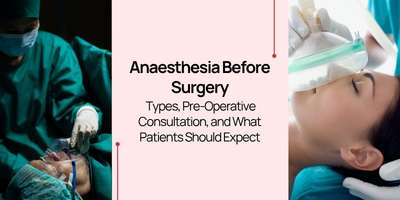
For many patients, the thought of undergoing surgery brings more questions about anaesthesia than the procedure itself. Will I be completely unconscious? Will I feel pain? What happens if I have diabetes, high blood pressure, or another medical condition? And how long will it take to recover from anaesthesia?
These concerns are understandable. Anaesthesia plays an important role in modern surgical care, helping patients undergo medical procedures while managing pain, awareness, and physical responses to surgery.
Consulting an anaesthesiologist in Indiranagar before surgery allows patients to understand their anaesthesia options, discuss medical risks, and prepare for the procedure.
At Axon Speciality Hospital, the Department of Anaesthesiology provides pre-operative evaluation, anaesthesia planning, monitoring during surgery, and post-operative care.
This guide explains the different types of anaesthesia, what happens during a pre-operative consultation, how patients should prepare, and what to expect during recovery.
What Are the Different Types of Anaesthesia?
There are four main categories of anaesthesia commonly used in surgical and diagnostic procedures.
Each works differently and is selected according to the patient’s needs and the procedure being performed.
1. General Anaesthesia
General anaesthesia produces a controlled state of unconsciousness in which the patient is unaware of the procedure and does not experience surgical pain.
It is commonly used for major operations or procedures that require complete unconsciousness.
General anaesthesia may be administered through intravenous medications, inhaled anaesthetic gases, or a combination of both.
General anaesthesia may be used for:
- Major abdominal surgeries.
- Certain orthopaedic and spine surgeries.
- Complex surgical procedures.
- Selected emergency operations.
- Procedures requiring complete unconsciousness and controlled ventilation.
During general anaesthesia, the anaesthesia team continuously monitors vital signs and manages breathing support as required.
Patients typically begin waking after the anaesthetic medications are reduced or stopped, although the recovery period varies.
2. Regional Anaesthesia
Regional anaesthesia blocks pain signals from a larger area of the body while the patient may remain awake.
It works by temporarily interrupting nerve signals from the area undergoing surgery.
Common techniques include:
Spinal Anaesthesia: Medication is injected into the fluid surrounding nerves in the lower back. It is often used for selected lower-body surgical procedures.
Epidural Anaesthesia: Medication is delivered into the epidural space near the spinal nerves, sometimes through a catheter that allows additional medication to be administered.
Peripheral Nerve Blocks: Local anaesthetic medication is placed near specific nerves to numb a particular body region, such as an arm or leg.
Regional anaesthesia may be used independently or combined with sedation or general anaesthesia, depending on the procedure.
For example, patients undergoing certain knee replacement procedures may receive spinal anaesthesia or nerve blocks as part of their treatment plan.
Understanding the knee replacement surgery process and recovery can also help patients prepare for their procedure.
3. Local Anaesthesia
Local anaesthesia temporarily numbs a small, specific area of the body without affecting overall consciousness.
Patients usually remain awake during the procedure.
Local anaesthesia may be used for:
- Minor skin procedures.
- Small wound repairs.
- Certain biopsies.
- Minor outpatient procedures.
- Selected superficial surgical treatments.
The medication is commonly administered through an injection or topical application.
Patients may feel pressure or movement during the procedure but should not experience significant pain in the numbed area. Additional anaesthesia may be needed if discomfort occurs.
4. Sedation
Sedation involves medications that help patients feel relaxed, less anxious, or sleepy during a medical procedure.
Depending on the level of sedation, patients may remain responsive or become deeply sedated.
Sedation is commonly used for:
- Endoscopy and selected diagnostic procedures.
- Minor surgical procedures.
- Procedures that may cause anxiety or discomfort.
- Certain treatments performed alongside local anaesthesia.
Sedation is not identical to general anaesthesia. However, deeper levels of sedation can affect breathing and require appropriate monitoring and airway management.
An anesthesia specialist doctor in Indiranagar can explain which technique is suitable for your procedure and why it is recommended.
What Are the Different Types of Dialysis?
There are two main types of dialysis: haemodialysis and peritoneal dialysis. Both help remove waste products and excess fluid, but they work differently.
1. Haemodialysis
Haemodialysis is a commonly used treatment for patients with kidney failure.
During haemodialysis, blood passes through a dialysis machine containing a specialised filter called a dialyser. The filter removes waste products and excess fluid before the cleaned blood returns to the body.
For many patients receiving treatment at a dialysis centre, haemodialysis is performed three times a week, with each session lasting approximately three to five hours. The exact schedule depends on individual medical requirements.
How haemodialysis works:
- Blood is accessed through a surgically created arteriovenous fistula, graft, or dialysis catheter.
- Blood travels through sterile tubing into the dialysis machine.
- The dialyser removes waste products and excess fluid.
- Filtered blood returns to the body.
- Healthcare professionals monitor blood pressure, fluid removal, and the patient’s condition throughout treatment.
Haemodialysis is usually conducted in a hospital or specialised dialysis unit, although home haemodialysis is also an option for suitable patients with appropriate training and support.
If you are looking for a dialysis hospital in Indiranagar, ask whether the facility provides nephrologist supervision, trained dialysis staff, infection-control measures, and emergency medical support.
2. Peritoneal Dialysis
Peritoneal dialysis uses the natural lining of the abdomen, called the peritoneum, to help filter waste products and excess fluid from the blood.
A soft catheter is placed into the abdomen through a minor surgical procedure. A special dialysis solution enters the abdominal cavity, absorbs waste products and excess fluid, and is then drained.
There are two common approaches:
Continuous Ambulatory Peritoneal Dialysis (CAPD):
- Dialysis fluid is exchanged manually several times throughout the day.
- A dialysis machine is not required for routine exchanges.
- Patients can often perform treatment at home after appropriate training.
Automated Peritoneal Dialysis (APD):
- A machine called a cycler performs fluid exchanges.
- Treatment commonly takes place overnight while the patient sleeps.
- The treatment schedule is prescribed according to the patient’s medical requirements.
Peritoneal dialysis may offer greater flexibility for some patients. However, it requires careful hygiene, proper training, and regular follow-up to reduce the risk of complications such as infection.
A renal specialist can help determine whether haemodialysis or peritoneal dialysis is more suitable based on medical conditions, lifestyle, and personal preferences.
General, Regional, Local Anaesthesia and Sedation: Key Differences
|
Type |
Patient awareness |
Area affected |
Common applications |
|
General anaesthesia |
Unconscious |
Whole-body effects |
Major and complex surgery |
|
Regional anaesthesia |
Usually awake or sedated |
Larger body region |
Selected lower-body and limb surgeries |
|
Local anaesthesia |
Awake |
Small targeted area |
Minor procedures and wound repair |
|
Sedation |
Relaxed to deeply sedated |
Changes awareness and comfort |
Endoscopy and selected procedures |
The most appropriate method is determined through clinical evaluation. No single technique is suitable for every patient or operation.
What Happens During a Pre-Operative Anaesthesia Consultation?
A pre-operative anaesthesia consultation is an important part of surgical preparation.
During this assessment, the anaesthesiologist reviews the patient’s medical condition, identifies potential risks, and develops an individualised anaesthesia plan.
Patients searching for anesthesia consultation Indiranagar should ideally complete this evaluation sufficiently early before planned surgery to allow time for any necessary investigations or medical optimisation.
1. Medical History Assessment
The anaesthesiologist asks about existing medical conditions and previous treatments.
Important information includes:
- Diabetes and high blood pressure.
- Heart or lung conditions.
- Kidney or liver disease.
- Asthma and breathing difficulties.
- Obstructive sleep apnoea or significant snoring.
- Previous surgeries and anaesthesia experiences.
- Medication allergies or previous adverse reactions.
Patients should also mention any personal or family history of serious anaesthesia complications.
Sharing accurate information helps the medical team identify risks and plan appropriate precautions.
2. Medication and Allergy Review
Some medications may affect bleeding, blood pressure, blood sugar, or responses to anaesthesia.
The anaesthesiologist may review:
- Blood thinners and antiplatelet medications.
- Diabetes medications, including insulin.
- Blood pressure medicines.
- Prescription painkillers and sedatives.
- Herbal supplements and over-the-counter medicines.
- Weight-management or diabetes injections that can affect stomach emptying.
Certain medicines may need adjustments before surgery, while others should be continued.
Patients should never stop prescribed medications independently. The anaesthesia and surgical teams will provide instructions based on the procedure and individual medical history.
3. Physical Examination and Airway Assessment
The anaesthesiologist may examine the patient’s heart, lungs, breathing pattern, and airway.
An airway assessment can include evaluating mouth opening, neck movement, dental conditions, and other factors relevant to breathing support during anaesthesia.
This assessment helps the team plan safe airway management if it becomes necessary.
4. Pre-Operative Tests
Not every patient requires the same tests before surgery.
Depending on age, health conditions, and the procedure, the medical team may recommend:
- Complete blood count.
- Blood sugar testing.
- Kidney function tests.
- Electrocardiogram (ECG).
- Electrolyte assessment.
- Other investigations based on specific clinical concerns.
Testing is selected according to medical need rather than automatically performing every available investigation.
5. Anaesthesia Planning and Consent
After reviewing the findings, the anaesthesiologist explains the recommended technique.
This discussion may include:
- Why a particular anaesthesia method is suitable.
- Expected benefits and possible risks.
- Pain management during and after surgery.
- Monitoring and breathing support.
- Recovery expectations.
- Alternative techniques, where appropriate.
Patients should use this opportunity to ask questions and discuss any concerns before giving informed consent.
How Should Patients Prepare Before Anaesthesia?
Preparing properly for anaesthesia can reduce avoidable complications and support smoother surgical care.
Following your healthcare team’s instructions is particularly important.
Follow Pre-Operative Fasting Instructions
Patients receiving general anaesthesia or sedation are usually required to avoid eating and drinking for specified periods before surgery.
For many healthy adults undergoing elective procedures, standard guidance allows clear liquids until approximately two hours before anaesthesia and requires a longer fasting period after solid food.
However, fasting instructions vary according to the type of food, procedure, age, medical conditions, and aspiration risk.
Patients with conditions affecting stomach emptying may require different instructions.
Always follow the specific fasting schedule provided by your anaesthesiologist rather than assuming the same rules apply to every procedure.
Share Complete Medical Information
Inform your medical team about recent illness, fever, cough, breathing difficulties, allergies, and any changes in medication.
Mention previous problems with anaesthesia, even if they occurred many years earlier.
Avoid Smoking and Follow Alcohol Guidance
Smoking can increase respiratory and wound-healing risks associated with surgery.
Stopping smoking as early as possible before surgery is beneficial. Patients should also discuss alcohol consumption with their healthcare team, particularly if they drink regularly.
Arrange Transportation and Support
Patients undergoing general anaesthesia or sedation should arrange for a responsible adult to accompany them home if discharged on the same day.
Driving, operating machinery, drinking alcohol, or making important decisions may be restricted for at least 24 hours or as instructed.
Prepare Your Medical Documents
Bring relevant prescriptions, investigation reports, previous surgical records, and medical summaries.
A complete medical history helps the anaesthesia team make informed decisions.
What Happens During Anaesthesia on the Day of Surgery?
Patients often feel less anxious when they understand what will happen in the operating theatre.
Although the exact process varies, surgical anaesthesia generally involves several stages.
Before the Procedure
The medical team confirms your identity, planned operation, medical information, consent, and relevant safety checks.
Monitoring equipment is attached to measure vital signs, such as heart rate, blood pressure, and oxygen saturation.
An intravenous line may be inserted for administering fluids and medications.
During the Procedure
Anaesthesia medications are administered according to the agreed treatment plan.
For general anaesthesia, the anaesthesiologist monitors unconsciousness, breathing, circulation, and other physiological parameters.
For regional or local techniques, the medical team checks that the intended area is adequately numb before the procedure begins.
Additional pain relief or sedation may be administered when appropriate.
Continuous Monitoring
During surgery, the anaesthesia team monitors the patient’s condition and responds to changes in vital signs.
This monitoring is a central component of perioperative care in Indiranagar, helping coordinate patient safety from the pre-operative stage through recovery.
Is Anaesthesia Safe? Understanding Possible Risks and Side Effects
Modern anaesthesia techniques, monitoring equipment, and specialist training have significantly improved patient safety.
However, every medical procedure carries some level of risk.
The likelihood of complications depends on factors such as age, existing medical conditions, type of surgery, and the anaesthesia technique used.
Common Temporary Side Effects
Some patients experience:
- Nausea or vomiting.
- Sore throat after airway instrumentation.
- Drowsiness or dizziness.
- Shivering or feeling cold.
- Temporary confusion.
- Muscle discomfort.
These effects are often temporary and can usually be managed with appropriate medical care.
Less Common but Serious Complications
Potential serious complications may include:
- Severe allergic reactions.
- Breathing or airway difficulties.
- Significant changes in blood pressure.
- Heart-related complications.
- Nerve injury associated with certain techniques.
- Rare complications such as awareness during general anaesthesia.
The anaesthesia team considers these risks during the pre-operative consultation and takes appropriate precautions.
Patients with multiple medical conditions may require additional evaluation or specialist coordination before surgery.
What Happens After Surgery? Anaesthesia Recovery and Pain Management
Recovery from anaesthesia begins when the procedure ends, but the duration and experience differ between patients.
Following general anaesthesia, patients are usually transferred to a recovery area where healthcare professionals monitor breathing, blood pressure, oxygen levels, alertness, and discomfort.
Immediate Post-Operative Recovery
During the initial recovery period, patients may feel sleepy, thirsty, mildly confused, or nauseated.
The medical team monitors recovery and provides medication or supportive treatment as needed.
Patients receiving regional anaesthesia may experience temporary numbness or weakness until the anaesthetic medication wears off.
Post-Operative Pain Management
Pain management is an important part of recovery.
Depending on the procedure, doctors may recommend:
- Oral or intravenous pain medications.
- Regional nerve blocks.
- Local anaesthetic techniques.
- Multimodal pain relief using different classes of medications.
- Individualised treatment for patients with existing medical conditions.
Effective pain management helps patients rest, participate in rehabilitation, and gradually regain mobility.
Rehabilitation After Surgery
For procedures involving bones, joints, or muscles, physiotherapy may form part of the recovery plan.
Rehabilitation can help patients improve strength, movement, balance, and functional independence.
Patients preparing for orthopaedic surgery can learn more about physiotherapy after surgery and rehabilitation in Bangalore.
Recovery recommendations should always be personalised according to the surgery performed and the patient’s health.
Why Choosing the Right Anaesthesiologist Matters
An anaesthesiologist has responsibilities before, during, and after surgery.
Choosing appropriate specialist care involves more than simply selecting a method of pain relief.
Patients looking for the best anaesthesia services in Indiranagar should consider several important factors:
- Medical qualifications: The anaesthesiologist should have appropriate specialist training and professional registration.
- Pre-operative assessment: The hospital should provide individualised evaluation before planned procedures.
- Monitoring standards: Appropriate equipment and trained personnel should be available during anaesthesia.
- Emergency preparedness: The medical team should have protocols for managing anaesthesia-related complications.
- Post-operative care: Patients should receive appropriate recovery monitoring and pain management.
- Clear communication: The specialist should explain the recommended technique, potential risks, and necessary preparation.
For patients with complex medical conditions, coordination between the anaesthesiologist, surgeon, and other treating specialists is particularly important.
Anaesthesiology Services at Axon Speciality Hospital, Indiranagar
Axon Speciality Hospital provides anaesthesiology services for a range of surgical and diagnostic procedures.
The hospital’s Department of Anaesthesiology offers services including:
- Pre-operative medical evaluation and anaesthesia planning.
- General anaesthesia for selected surgical procedures.
- Regional anaesthesia, including spinal, epidural, and nerve-block techniques.
- Local anaesthesia and procedural sedation.
- Monitoring during surgical procedures.
- Post-operative recovery monitoring.
- Acute pain management and specialist support for complex patients.
The anaesthesia team works alongside surgical and medical specialists to coordinate care according to the patient’s condition and planned procedure.
For more information, explore anaesthesiology services at Axon Speciality Hospital.
Patients planning surgery can contact the hospital to enquire about pre-operative consultations and the anaesthesia services available for their specific procedure.
About Axon Speciality Hospital
Axon Speciality Hospital is a multispeciality hospital in Indiranagar, Bangalore, serving the local community since 2009.
The hospital brings together specialists across orthopaedics, spine care, cardiology, nephrology, gastroenterology, urology, oncology, neurology, pain management, palliative care, cosmetology, and anaesthesiology.
Its multidisciplinary approach supports coordinated patient care, from initial consultation and diagnosis to surgical treatment and post-operative recovery.
Address: 321, 6th Main Rd, HAL 2nd Stage, Indiranagar, Bengaluru, Karnataka 560038
Contact Number: 080 4334 6333
Find Us on Google: Axon Speciality Hospital, Best Multispeciality Hospital in Bangalore
Follow Us: Instagram
Preparing for Surgery? Start With the Right Anaesthesia Consultation
Surgery can feel less intimidating when patients understand what to expect before, during, and after anaesthesia.
From selecting the appropriate anaesthesia technique to evaluating medical conditions and planning post-operative pain relief, an anaesthesiologist plays an important role throughout the surgical journey.
A pre-operative consultation provides an opportunity to discuss concerns, understand potential risks, and receive personalised preparation instructions.
If you are looking for an anaesthesiologist in Indiranagar, contact Axon Speciality Hospital to discuss your upcoming procedure and arrange an appropriate anaesthesia consultation.
Frequently Asked Questions
What does an anaesthesiologist in Indiranagar do before surgery?
An anaesthesiologist evaluates the patient’s medical history, current medications, allergies, previous anaesthesia experiences, and overall health before surgery. The specialist recommends an appropriate anaesthesia technique, explains potential risks, and provides preparation instructions. At Axon Speciality Hospital, pre-operative evaluation is part of its anaesthesiology serv
How many times a week does a kidney patient need dialysis?
Patients receiving conventional in-centre haemodialysis commonly require three sessions per week, with each session lasting approximately three to five hours. Peritoneal dialysis is generally performed daily. The actual schedule depends on kidney function, overall health, and the nephrologist’s treatment prescription.
How do I prepare for an anesthesia consultation in Indiranagar?
Bring your medical records, medication list, previous surgical reports, and relevant test results. Inform the anaesthesiologist about allergies, chronic medical conditions, previous anaesthesia complications, and any recent illness. Your specialist will explain fasting requirements, medication adjustments, and additional investigations if necessary.
Is general anaesthesia safe for patients with diabetes or high blood pressure?
Many patients with diabetes or hypertension safely undergo procedures requiring general anaesthesia. However, these conditions can affect surgical and anaesthesia risks. The anaesthesiologist will assess disease control, medications, organ function, and the planned procedure before recommending an appropriate management plan.
How many hours should I fast before anaesthesia?
Fasting requirements depend on the procedure, medical condition, and anaesthesia plan. For many healthy adults undergoing elective anaesthesia, clear liquids may be permitted until two hours before the procedure, while solid foods require longer fasting periods. Patients must follow their anaesthesiologist’s specific instructions rather than relying on general rules.
How long does it take to recover from anaesthesia after surgery?
Recovery time depends on the anaesthesia type, medications used, operation, and patient’s overall health. Patients receiving general anaesthesia often begin waking soon after the procedure, but drowsiness and impaired judgement may persist for several hours or longer. Regional anaesthesia can cause temporary numbness until the medication wears off.
Where can I consult an anesthesia specialist doctor in Indiranagar?
Patients can enquire about pre-operative anaesthesia consultations at Axon Speciality Hospital, located in HAL 2nd Stage, Indiranagar, Bangalore. The hospital’s Department of Anaesthesiology provides pre-operative evaluations, anaesthesia planning, intra-operative monitoring, and post-operative care. Contact the hospital on 080 4334 6333 to confirm consultation availability.