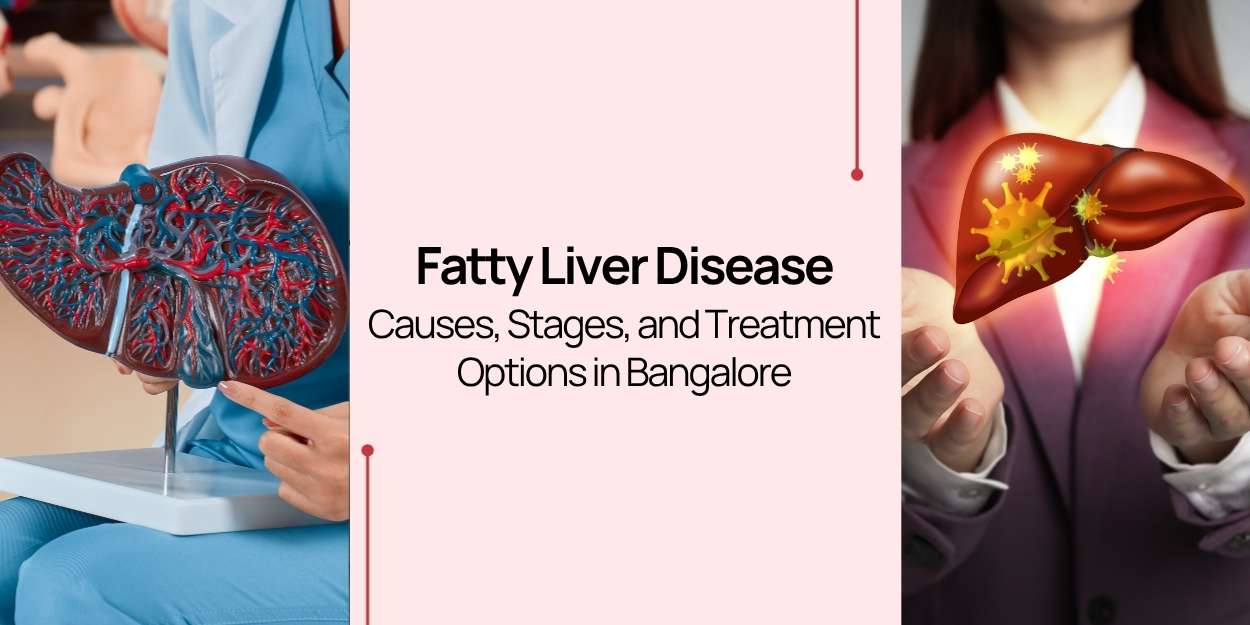
Fatty Liver Disease: Causes, Stages, and Treatment Options in Bangalore
Liver specialist in Indiranagar is a search that has grown sharply in Bangalore over recent years, and the primary reason behind that trend is fatty liver disease. What was once considered a condition associated almost exclusively with heavy alcohol use is now one of the most common liver diagnoses seen among non-drinkers in urban India. Desk workers in their 30s, individuals managing Type 2 diabetes, and people with no obvious risk factors are increasingly being told, often during a routine ultrasound, that their liver has accumulated fat.
The concerning reality about fatty liver disease is that it rarely produces any symptoms until it has progressed significantly. By the time discomfort appears, the condition may already be in an advanced stage. Understanding what fatty liver actually means, how it progresses, and what can genuinely be done about it is the first step toward protecting one of the body’s most vital organs.
What Is Fatty Liver Disease?
Fatty liver disease, medically referred to as hepatic steatosis, is a condition in which excess fat accumulates in the liver cells. A small amount of fat in the liver is normal, but when fat makes up more than five to ten percent of the liver’s total weight, it begins to interfere with the organ’s function.
There are two main types. Alcoholic fatty liver disease is directly caused by excessive alcohol consumption. Non-alcoholic fatty liver disease, commonly abbreviated as NAFLD, occurs in people who drink little or no alcohol and is now the more prevalent form in urban Indian cities, including Bangalore. NAFLD has become closely associated with metabolic conditions such as obesity, Type 2 diabetes, high cholesterol, and high blood pressure.
Stages of Fatty Liver Disease
Stage 1: Simple Fatty Liver (Steatosis)
In the earliest stage, fat has accumulated in the liver cells but has not yet caused significant inflammation or damage. Most people at this stage have no symptoms whatsoever and only discover the condition during an abdominal ultrasound done for an unrelated reason. At this point, the condition is almost entirely reversible with lifestyle changes.
Stage 2: Non-Alcoholic Steatohepatitis (NASH)
When fat accumulation triggers inflammation within the liver, the condition advances to NASH. At this stage, liver cells begin to sustain damage. Some patients start to notice mild fatigue or discomfort in the upper right abdomen, though many remain symptom-free. NASH significantly increases the long-term risk of progression to cirrhosis if left unaddressed.
Stage 3: Fibrosis
Ongoing inflammation causes scar tissue to form in and around the liver cells. The liver’s architecture begins to change structurally. Blood flow through the organ becomes increasingly impaired. At this stage, reversal becomes much harder, though the progression can still be slowed with appropriate intervention.
Stage 4: Cirrhosis
In the most advanced stage, extensive scarring has replaced healthy liver tissue. The liver’s ability to perform its core functions, including filtering toxins from the blood, producing proteins, and regulating metabolism, is severely compromised. Cirrhosis carries a significant risk of liver failure and, in some cases, liver cancer.
Symptoms: Why Most People Do Not Know They Have It
One of the most important things to understand about fatty liver disease is that it is largely silent in its early stages. Symptoms, when they do appear, tend to be non-specific and easy to attribute to other causes:
- Persistent fatigue or low energy that does not improve with rest
- A dull discomfort or heaviness in the upper right side of the abdomen
- Unexplained weight gain concentrated around the abdomen
- Elevated liver enzymes on a blood test, often the first detectable sign
- Nausea or a general sense of digestive discomfort after meals
In advanced stages, symptoms become more pronounced and may include yellowing of the skin or eyes (jaundice), significant abdominal swelling, easy bruising, and confusion or difficulty concentrating, all of which indicate seriously impaired liver function.
Who Is Most at Risk?
While anyone can develop fatty liver disease, the following groups face a significantly elevated risk:
- Individuals with a Body Mass Index above 25, particularly with abdominal obesity
- People with Type 2 diabetes or insulin resistance
- Those with high triglycerides or low HDL cholesterol
- Individuals with high blood pressure
- People who follow a diet high in refined carbohydrates, sugary beverages, and processed foods
- Those with a sedentary lifestyle and low levels of physical activity
- Individuals with a family history of liver disease or metabolic syndrome
For residents of Indiranagar and surrounding areas including Domlur, HAL 2nd Stage, and CV Raman Nagar, where the working-professional demographic is particularly high, these risk factors apply to a significant portion of the local population.
How Fatty Liver Disease Is Diagnosed
Diagnosis typically begins with a blood test checking liver enzyme levels, specifically ALT and AST. Elevated enzyme levels suggest that the liver cells are under stress. This is followed by an abdominal ultrasound, which can detect fat accumulation in the liver and assess its size and texture.
In cases where NASH or fibrosis is suspected, a liver biopsy may be recommended, where a small sample of liver tissue is collected and examined to assess the degree of inflammation and scarring. More recently, non-invasive tests such as FibroScan, which uses ultrasound elastography to measure liver stiffness, have reduced the need for biopsy in many cases.
A gastroenterologist near Indiranagar with hepatology expertise can guide patients through the appropriate diagnostic pathway based on their specific risk profile and initial test results.
Treatment Options: What Actually Works
Lifestyle Modification
For patients in Stage 1 and Stage 2, structured lifestyle changes remain the most effective treatment available. A reduction of five to ten percent of body weight has been shown in clinical studies to significantly reduce liver fat and inflammation. This is best achieved through a combination of dietary adjustments and regular physical activity rather than crash dieting, which can worsen liver stress.
Dietary Changes
Reducing refined carbohydrates, sugary drinks, and processed foods while increasing vegetable intake, healthy fats, and fibre supports liver recovery. The impact of diet on digestive and liver health is well established, and a gastroenterologist can provide specific dietary guidance tailored to the degree of liver involvement.
Managing Underlying Conditions
Because NAFLD is closely tied to metabolic health, effective management of Type 2 diabetes, high cholesterol, and high blood pressure directly reduces the liver’s fat burden. Medication adjustments for diabetes, in particular, have shown benefit in slowing NAFLD progression when combined with lifestyle changes.
Medical Therapy
There are currently no universally approved medications specifically for NAFLD, though several are in advanced clinical trials. Vitamin E supplementation has shown some benefit in non-diabetic NASH patients in research settings. Patients with more advanced disease may be candidates for newer targeted therapies that a specialist gastroenterologist can advise on.
About Axon Speciality Hospital
Axon Speciality Hospital is a leading multispeciality hospital in Indiranagar, Bangalore, serving the local community since 2009. The hospital brings together experienced specialists across orthopedics, spine care, cardiology, nephrology, gastroenterology, urology, oncology, neurology, pain management, palliative care, cosmetology, and anaesthesiology, offering coordinated, patient-first care under one roof, backed by 24/7 emergency services.
Address: 321, 6th Main Rd, HAL 2nd Stage, Indiranagar, Bengaluru, Karnataka 560038
Contact Number: 080 4334 6333
Find Us on Google: Axon Speciality Hospital, Best Multispeciality Hospital in Bangalore
Follow Us: Instagram
Your Liver Is Telling You Something, Even When It Is Silent
Fatty liver disease has become one of the most quietly widespread conditions in urban Bangalore, sitting undetected in thousands of people who feel perfectly well. The absence of symptoms is not reassurance; it is the condition’s most deceptive trait. Acting early, before inflammation and scarring set in, is what separates full recovery from long-term management of a progressive disease.
If you have been told your liver enzymes are elevated, or if you have risk factors such as abdominal obesity, diabetes, or high cholesterol and have never had a liver health assessment, speak with the specialist team at Axon Speciality Hospital in Indiranagar for a comprehensive liver evaluation and a personalised treatment plan.
About Axon Speciality Hospital
Axon Speciality Hospital is a leading multispeciality hospital in Indiranagar, Bangalore, serving the local community since 2009. The hospital brings together experienced specialists across orthopedics, spine care, cardiology, nephrology, gastroenterology, urology, oncology, neurology, pain management, palliative care, cosmetology, and anaesthesiology, offering coordinated, patient-first care under one roof, backed by 24/7 emergency services.
Address:
321, 6th Main Rd, HAL 2nd Stage, Indiranagar, Bengaluru, Karnataka 560038
Contact Number:
080 4334 6333
Find Us on Google:
Axon Speciality Hospital, Best Multispeciality Hospital in Bangalore
Follow Us:
Instagram
Frequently Asked Questions
Can fatty liver disease be reversed completely?
Yes, in the early stages (simple steatosis and early NASH), fatty liver disease can be fully reversed through sustained weight loss, dietary changes, and management of underlying metabolic conditions. Once significant fibrosis or cirrhosis develops, complete reversal is unlikely, though progression can be significantly slowed.
Does fatty liver disease cause pain?
Most people with fatty liver disease, particularly in early stages, experience no pain at all. Some patients notice a dull discomfort or heaviness in the upper right abdomen, but the absence of pain does not mean the condition is not progressing, which is why routine monitoring through blood tests and ultrasound is important.
Can a person with fatty liver drink alcohol?
For patients with non-alcoholic fatty liver disease, even moderate alcohol consumption can accelerate liver damage. Most gastroenterologists recommend significantly reducing or completely eliminating alcohol while managing NAFLD, since alcohol adds an additional metabolic burden to a liver already under stress.
What foods should I avoid if I have fatty liver disease?
Foods to avoid include refined carbohydrates such as white rice, white bread, and sugary drinks, along with fried foods, high-fat processed meats, and excessive salt. These all contribute to metabolic dysfunction that worsens liver fat accumulation.
How often should I get my liver checked if I am at risk?
Adults with risk factors such as obesity, Type 2 diabetes, or high cholesterol should ideally have liver enzyme levels checked annually and discuss abdominal ultrasound screening with a gastroenterologist. Early detection at the steatosis stage gives the best window for full recovery.
Is fatty liver linked to liver cancer?
Advanced NAFLD that progresses to cirrhosis does carry an increased risk of hepatocellular carcinoma (liver cancer). This risk is not significant in early-stage fatty liver but becomes relevant in patients who have developed cirrhosis, making early detection and management genuinely life-saving.
Can children develop fatty liver disease?
Yes. Paediatric NAFLD is increasingly being diagnosed in children and teenagers, driven by rising rates of childhood obesity and sedentary screen-based lifestyles. A child with unexplained elevated liver enzymes or abdominal discomfort should be evaluated by a paediatric specialist.