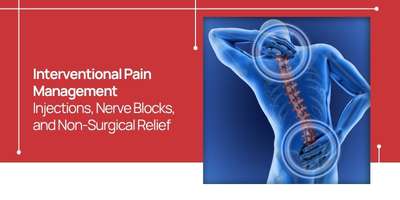
Interventional Pain Management: Injections, Nerve Blocks, and Non-Surgical Relief
Interventional pain management in Indiranagar offers patients an opportunity to explore targeted treatments for persistent pain without immediately considering major surgery. Whether it is chronic back pain, neck discomfort, joint pain, or nerve-related symptoms, ongoing pain can interfere with sleep, mobility, work, and everyday activities.
For some patients, medications and physiotherapy provide sufficient relief. Others continue experiencing discomfort despite following these treatments. In such situations, specialised procedures such as nerve blocks, targeted injections, and radiofrequency techniques may be considered after a detailed medical assessment.
At Axon Speciality Hospital, pain management focuses on evaluating the cause of discomfort and developing an individualised treatment plan. This guide explains how interventional procedures work, who may benefit, what to expect, and when to consult a pain specialist.
What Is Interventional Pain Management?
Interventional pain management is a specialised approach that uses minimally invasive procedures to investigate or manage certain types of pain.
Unlike treatments that rely primarily on oral medications, these procedures target specific nerves, joints, or tissues associated with discomfort.
Depending on the diagnosis, treatment may involve local anaesthetics, anti-inflammatory medicines, or techniques that modify pain signals.
The objectives may include:
- Reducing pain and inflammation in selected conditions.
- Identifying nerves or structures responsible for discomfort.
- Improving movement and daily functioning.
- Supporting participation in physiotherapy.
- Reducing reliance on certain pain medications where appropriate.
- Helping selected patients manage pain without major surgery.
However, not every patient benefits from an injection or nerve procedure. The results vary depending on the underlying condition, and some treatments have limited evidence of long-term benefit.
A specialist offering interventional pain management in Indiranagar should explain the expected benefits, alternatives, limitations, and risks before recommending a procedure.
What Types of Pain Can Interventional Procedures Address?
Pain can originate from muscles, joints, nerves, spinal structures, or other tissues.
A specialist may evaluate interventional options for:
- Chronic back pain: Persistent discomfort associated with certain spinal or joint conditions.
- Sciatica: Pain radiating from the lower back into the leg due to irritation of spinal nerve roots.
- Neck pain: Discomfort potentially associated with cervical joints or nerve irritation.
- Joint pain: Selected cases involving the knees, shoulders, hips, or other joints.
- Neuropathic pain: Burning, tingling, or shooting pain related to nerve damage or irritation.
- Myofascial pain: Pain associated with sensitive areas within muscles.
- Certain post-surgical pain conditions: Persistent discomfort requiring specialist assessment.
Understanding the difference between short-term and persistent pain is important when considering treatment.
Read Axon’s guide on chronic pain vs acute pain and when to consult a specialist for more information.
Common Interventional Pain Management Procedures
Several procedures are used in specialist pain medicine. Their suitability depends on the diagnosis, previous treatment response, medical history, and available evidence.
1. Epidural Steroid Injections
Epidural steroid injections deliver anti-inflammatory medication into the space surrounding spinal nerves.
They may be considered for selected patients with radiating nerve pain associated with conditions such as disc herniation or spinal nerve root inflammation.
The procedure generally involves:
- Positioning the patient appropriately.
- Cleaning and numbing the injection area.
- Guiding the needle towards the intended location, usually with imaging.
- Administering the prescribed medication.
- Monitoring the patient after the procedure.
Relief, when achieved, is generally temporary and varies between patients. Epidural injections are not routinely recommended for every type of chronic back pain.
Patients searching for pain injections Indiranagar should first undergo an evaluation to establish whether their symptoms are likely to respond to targeted treatment.
2. Nerve Block Injections
A nerve block involves injecting medication near a particular nerve or group of nerves to interrupt pain signals temporarily.
Nerve blocks may serve two purposes:
Diagnostic nerve blocks: Help determine whether a specific nerve or structure is contributing to the patient’s pain.
Therapeutic nerve blocks: Aim to provide temporary pain relief, sometimes using a local anaesthetic combined with another medication.
These procedures may be considered for selected nerve-related, joint-related, or post-surgical pain conditions.
The duration of relief varies considerably. Some patients experience short-term improvement, while others may obtain longer relief.
3. Facet Joint and Medial Branch Blocks
Facet joints are small joints located between vertebrae in the spine.
In selected patients, these joints may contribute to neck or back pain.
A medial branch block involves placing local anaesthetic near the small nerves that transmit pain signals from facet joints.
It is often used diagnostically to assess whether these structures are responsible for the symptoms.
A positive response may help specialists evaluate further treatment options, but injections do not guarantee lasting relief.
4. Trigger Point Injections
Trigger points are sensitive areas within muscles that may contribute to localised or referred pain.
Trigger point injections involve placing medication, often a local anaesthetic, into selected painful muscle areas.
They may be considered for certain cases of myofascial pain after clinical evaluation.
These injections are generally used alongside other treatment approaches, including exercises, physiotherapy, and activity modification.
Patients exploring non surgical pain treatment Indiranagar should understand that muscle-related pain often requires a combination of treatments rather than injections alone.
5. Radiofrequency Ablation
Radiofrequency ablation uses controlled energy to affect selected nerves that transmit pain signals.
It may be considered for certain carefully diagnosed pain conditions, particularly after appropriate diagnostic testing.
The procedure typically involves positioning a specialised needle near the target nerve using imaging guidance.
Radiofrequency treatment may provide relief for some patients, but results are variable, and the nerve can regain function over time.
Evidence for radiofrequency procedures differs by condition. For chronic spinal pain, some recent guidelines recommend against routine use because meaningful benefits remain uncertain.
A specialist should discuss this evidence, potential complications, and alternative treatments before proceeding.
Pain Injections vs Oral Medications: What Is the Difference?
Both medication-based and interventional treatments have roles in pain management.
|
Factor |
Oral medications |
Interventional procedures |
|
Approach |
Medicine taken by mouth |
Targeted treatment at selected structures |
|
Common purpose |
Manage pain or inflammation |
Diagnose or manage specific pain sources |
|
Duration |
Depends on medication |
Varies by procedure and response |
|
Medical assessment |
Required for safe prescribing |
Requires specialist assessment |
|
Limitations |
Possible systemic side effects |
Procedure-related risks and variable benefits |
Neither approach is automatically better.
The appropriate treatment depends on the diagnosis, severity of symptoms, patient preferences, and overall medical condition.
A pain management doctor in Indiranagar can help patients compare options and determine whether a targeted procedure offers a reasonable benefit.
What Happens During an Interventional Pain Consultation?
Before recommending an injection or nerve block, a specialist needs to understand why the pain is occurring.
Patients visiting a pain clinic near Indiranagar can generally expect a structured clinical assessment.
Medical History and Pain Assessment
The doctor may ask about:
- When the pain started and how it has progressed.
- Where the discomfort occurs and whether it spreads.
- Previous injuries, operations, or medical conditions.
- Treatments already attempted.
- Activities that worsen or improve symptoms.
- Effects on sleep, mobility, and daily functioning.
Physical Examination and Investigations
The specialist may assess posture, joint movement, muscle strength, sensation, reflexes, and other relevant findings.
MRI scans, X-rays, or additional investigations may be considered when clinically indicated. Imaging is not necessary for every patient.
Individualised Treatment Planning
Following the evaluation, the specialist may recommend physiotherapy, medication adjustments, lifestyle measures, psychological approaches to pain management, or selected interventional procedures.
Treatment should focus on meaningful improvement in function and quality of life, not simply reducing a pain score.
What to Expect Before, During, and After Pain Injections
Understanding the procedure can help reduce anxiety and support informed decision-making.
Before the Procedure
The medical team reviews your medications, allergies, medical history, and relevant investigation reports.
Tell your doctor if you take blood thinners, have diabetes, are pregnant, or have an active infection.
Some medicines may require special instructions. Never stop prescribed medication without medical advice.
During the Procedure
Depending on the injection, local anaesthesia and imaging guidance may be used to position the needle.
Patients may experience pressure or brief discomfort.
The duration depends on the procedure and the number of areas being treated.
After the Procedure
Patients may be monitored before discharge.
Temporary soreness, numbness, or weakness can occur depending on the treatment.
The healthcare team provides instructions regarding activity restrictions, medications, warning signs, and follow-up appointments.
Patients should seek urgent medical attention for severe or progressive weakness, new bladder or bowel dysfunction, fever, or other serious symptoms following a spinal procedure.
Are Interventional Pain Procedures Safe?
Interventional procedures can be performed with appropriate precautions, but they are not risk-free.
Potential complications include:
- Temporary pain or soreness at the injection site.
- Bleeding, bruising, or infection.
- Allergic reactions to medications.
- Temporary numbness or weakness.
- Nerve injury.
- Procedure-specific complications, including rare serious neurological events.
Steroid injections may also temporarily affect blood sugar levels, which is particularly relevant for patients with diabetes.
Patients with persistent pain should understand that an injection does not always address the underlying cause.
When comparing providers offering pain injections Indiranagar, ask about the doctor’s qualifications, procedure guidance, infection-control measures, expected outcomes, and emergency arrangements.
When Is Non-Surgical Pain Treatment Appropriate?
Not every painful condition requires surgery, and many patients improve with appropriately selected conservative treatments.
Options may include physiotherapy, therapeutic exercises, medicines, education, activity modification, and selected interventional procedures.
However, surgery may still be necessary for certain conditions, particularly when there is progressive neurological impairment or another urgent structural problem.
People considering non surgical pain treatment Indiranagar should seek specialist advice when pain persists, limits daily activities, or does not improve with initial treatment.
Sudden severe weakness, loss of bladder or bowel control, or numbness around the groin requires emergency medical evaluation rather than a routine pain appointment.
Choosing a Pain Management Clinic in Indiranagar
When selecting a pain clinic near Indiranagar, consider the quality of medical evaluation rather than relying solely on advertised procedures.
Important factors include:
- Qualifications and relevant experience of the treating specialist.
- A diagnosis-based approach to pain treatment.
- Availability of appropriate investigations and referrals.
- Clear explanations of benefits, risks, and alternatives.
- Infection-control and patient-monitoring protocols.
- Follow-up support and rehabilitation coordination.
A pain relief clinic Indiranagar should not promise permanent relief or recommend invasive treatments without a suitable clinical assessment.
The best approach often involves combining medical care with practical steps to improve movement, sleep, and everyday functioning.
Pain Management Services at Axon Speciality Hospital
Axon Speciality Hospital provides specialist pain management services for patients experiencing acute and chronic pain.
The hospital’s approach focuses on evaluating symptoms, identifying potential causes, and developing individualised treatment recommendations.
Patients can explore the pain management services at Axon Speciality Hospital to understand the available consultation and care options.
Those seeking interventional pain management in Indiranagar can contact the hospital to discuss whether their condition requires a pain specialist assessment and which procedures are currently available.
Specific interventions, including nerve blocks, epidural injections, or radiofrequency procedures, should be confirmed directly with the hospital before scheduling.
About Axon Speciality Hospital
Axon Speciality Hospital is a multispeciality hospital in Indiranagar, Bangalore, serving the local community since 2009.
The hospital brings together specialists across orthopaedics, spine care, cardiology, nephrology, gastroenterology, urology, oncology, neurology, pain management, palliative care, cosmetology, and anaesthesiology.
Its multidisciplinary approach supports coordinated patient care, from initial consultation and diagnosis to surgical treatment and post-operative recovery.
Address: 321, 6th Main Rd, HAL 2nd Stage, Indiranagar, Bengaluru, Karnataka 560038
Contact Number: 080 4334 6333
Find Us on Google: Axon Speciality Hospital, Best Multispeciality Hospital in Bangalore
Follow Us: Instagram
Persistent Pain Deserves the Right Medical Attention
Living with ongoing pain can affect work, mobility, sleep, and emotional well-being. Fortunately, treatment is not limited to medication or major surgery.
For selected conditions, targeted injections and nerve procedures may form part of a broader pain management plan. The important first step is identifying the underlying cause and understanding which treatments are supported by evidence.
If you are considering interventional pain management in Indiranagar, consult the pain management team at Axon Speciality Hospital for an individualised assessment.
You can also contact the hospital to enquire about a pain management doctor in Indiranagar and discuss appropriate next steps for your condition.
Frequently Asked Questions
What is interventional pain management in Indiranagar?
Interventional pain management in Indiranagar refers to specialist assessment and selected minimally invasive procedures used to investigate or manage pain. These may include targeted injections and nerve blocks. Treatment suitability depends on the underlying diagnosis, previous treatment response, and individual health needs.
What types of pain injections are available in Indiranagar?
Options may include epidural steroid injections, nerve blocks, facet-related diagnostic injections, and trigger point injections. Not every procedure is suitable for every condition. Patients should confirm which treatments a particular hospital offers and undergo specialist assessment before considering an injection.
Are nerve blocks a permanent solution for chronic pain?
Nerve blocks generally provide temporary pain relief or help identify the source of discomfort. The duration of relief varies depending on the medication, condition, and individual response. Some patients need additional treatment, while others may not benefit significantly.
Can chronic back pain be treated without surgery?
Many cases of chronic back pain can be managed without surgery through exercises, physiotherapy, appropriate medications, education, and other treatments. Injections may be considered in selected circumstances, but they are not routinely beneficial for every type of chronic back pain.
Is an interventional pain injection painful?
Patients may experience brief discomfort, pressure, or stinging during an injection. Local anaesthesia is often used to reduce discomfort. The experience depends on the procedure and treatment area. Your specialist should explain what sensations to expect.
How do I choose a pain relief clinic in Indiranagar?
When choosing a pain relief clinic Indiranagar, look for qualified specialists, thorough medical assessment, clear explanations of treatment options, appropriate safety procedures, and follow-up support. Avoid facilities that promise guaranteed or permanent pain relief without evaluating the underlying condition.
Where can I consult a pain management doctor in Indiranagar?
Patients can enquire about specialist pain management consultations at Axon Speciality Hospital in HAL 2nd Stage, Indiranagar, Bangalore. Contact the hospital on 080 4334 6333 to confirm doctor availability, consultation timings, and the interventional procedures offered.