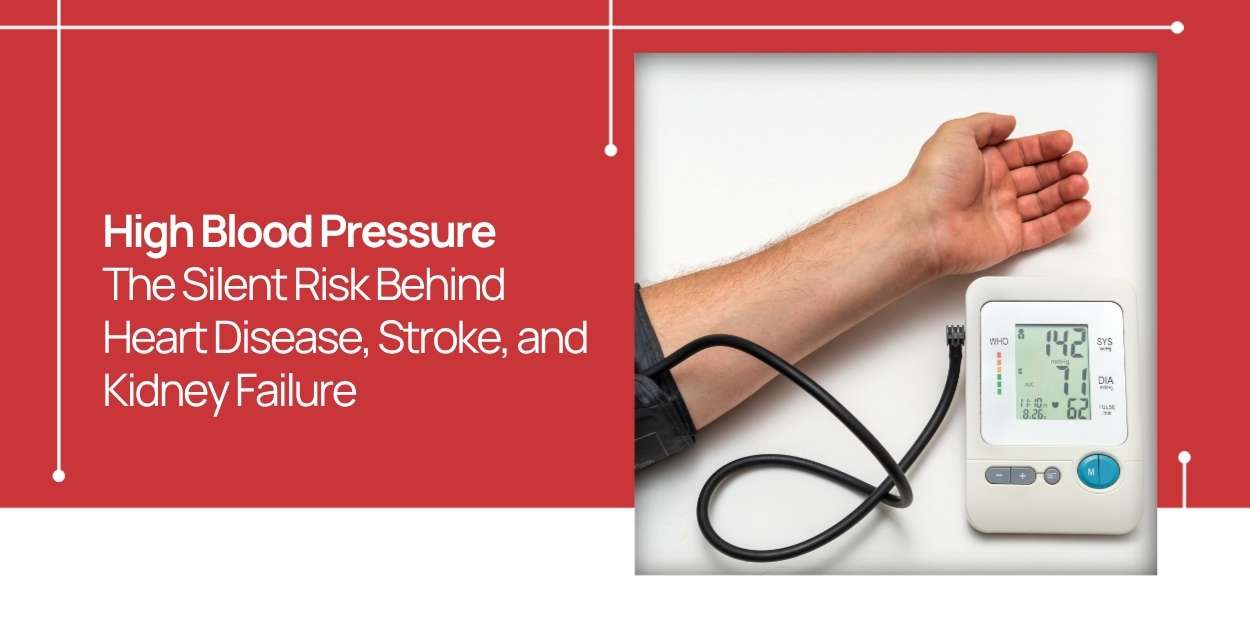
High Blood Pressure: The Silent Risk Behind Heart Disease, Stroke, and Kidney Failure
Hypertension specialist in Indiranagar is a search that most people make only after a doctor has already flagged a problem, but by that point elevated blood pressure has often been quietly damaging the body for months or years without a single noticeable symptom. This is the fundamental challenge of high blood pressure. It is not a condition that announces itself. Most people who have it feel completely well, carry on with their daily lives, and discover it incidentally during a routine check-up or at a hospital visit for something entirely unrelated.
In urban Bangalore, hypertension has become one of the most prevalent chronic health conditions, particularly among working professionals in their 30s and 40s. Long hours, minimal physical activity, high-sodium diets from frequent restaurant and delivery meals, disrupted sleep, and persistent occupational stress create a combination that pushes blood pressure upward over time. Understanding what hypertension actually does to the body, and why consistent management matters, is the most important first step toward protecting yourself.
What Does Blood Pressure Actually Mean?
Blood pressure is the force that blood exerts against the walls of the arteries as the heart pumps it around the body. It is recorded as two numbers, for example 120 over 80 millimetres of mercury. The upper number, called systolic pressure, represents the pressure when the heart contracts and pushes blood out. The lower number, called diastolic pressure, represents the pressure when the heart relaxes between beats.
A reading consistently at or above 130 over 80 is now classified as hypertension by most clinical guidelines. Readings above 140 over 90 represent Stage 2 hypertension requiring more active management. A reading of 180 over 120 or higher is a hypertensive crisis requiring emergency medical attention.
The challenge is that none of these pressure levels cause pain, visible changes, or any sensation that most people would notice day to day. This is exactly why hypertension is so widely undertreated, and why the organ damage it causes often progresses undetected for years.
How High Blood Pressure Damages the Heart
The heart is the organ most directly affected by sustained high blood pressure. When arteries are under consistently elevated pressure, the heart has to work harder than normal to push blood through them. Over time, this additional workload causes the walls of the heart muscle to thicken, a condition called left ventricular hypertrophy. A thickened heart wall is less flexible and less efficient at filling with blood between beats, progressively reducing the heart’s pumping capacity.
High blood pressure also accelerates the buildup of fatty plaques inside the coronary arteries, the vessels that supply the heart muscle itself with blood. This process, called atherosclerosis, narrows the arteries and reduces blood flow to the heart, increasing the risk of angina, heart attack, and over time, heart failure.
For patients in Indiranagar already experiencing cardiac symptoms alongside poorly controlled blood pressure, a consultation with a cardiologist at Axon Speciality Hospital is the appropriate next step, since managing blood pressure and cardiac risk together produces significantly better outcomes than addressing either condition in isolation.
How High Blood Pressure Damages the Kidneys
The kidneys are highly dependent on a delicate network of small blood vessels to filter waste from the blood and regulate fluid balance. Sustained high blood pressure damages these vessels, impairing the kidneys’ filtering ability over time. This damage is gradual and cumulative, often progressing for years without obvious symptoms.
As kidney function declines, the kidneys become less able to regulate fluid volume and sodium levels in the body, which in turn raises blood pressure further, creating a damaging cycle where hypertension worsens kidney disease and kidney disease worsens hypertension.
Patients managing both high blood pressure and signs of kidney stress need coordinated care between a cardiologist and a nephrologist. Understanding the early signs of kidney disease and acting on them promptly is especially important for anyone with longstanding or poorly controlled hypertension.
Other causes of hair loss include stress-related shedding (telogen effluvium), thyroid dysfunction, nutritional deficiencies, scalp conditions, and hormonal changes. For these types of hair loss, treating the underlying cause is often more important than transplantation, and a qualified cosmetic specialist will assess this before recommending surgery.
How High Blood Pressure Damages the Brain
The brain receives approximately twenty percent of the blood the heart pumps, making it highly sensitive to changes in blood pressure. Hypertension damages the small blood vessels supplying the brain, increasing the risk of stroke, which occurs when a blood vessel in the brain either bursts or becomes blocked.
Beyond stroke, sustained high blood pressure is associated with accelerated cognitive decline, including an increased risk of vascular dementia. Small, silent strokes that cause no obvious symptoms can accumulate over time, gradually impairing memory, concentration, and executive function in ways that are easily misattributed to ageing or fatigue.
Recognising the neurological risks of uncontrolled hypertension and understanding when neurological symptoms warrant urgent specialist evaluation is an important part of managing blood pressure as a whole-body health concern, not just a number on a monitor.
Other Organs at Risk From Sustained High Blood Pressure
Beyond the heart, kidneys, and brain, chronically elevated blood pressure causes damage to several other systems:
- The eyes: high pressure in the blood vessels of the retina can cause hypertensive retinopathy, leading to vision disturbances and in severe cases, permanent vision loss
- The arteries: generalised arterial stiffening and narrowing increase the risk of peripheral artery disease, causing pain and poor circulation in the limbs
- Sexual function: reduced blood flow from arterial damage associated with hypertension is a recognised contributor to erectile dysfunction in men
- Pregnancy: poorly controlled hypertension during pregnancy increases the risk of pre-eclampsia, preterm birth, and complications for both mother and baby
Why So Many People in Bangalore Have Undiagnosed Hypertension
Several factors specific to Bangalore’s working population contribute to the high rate of undiagnosed hypertension in the city. The most significant is the absence of routine health check-ups among people who consider themselves generally healthy. Blood pressure is not something that can be assessed by how a person feels. It requires measurement, and for many people in Indiranagar and surrounding areas, that measurement simply does not happen regularly enough.
Additional contributing factors include high dietary sodium from restaurant and packaged foods, chronic sleep debt driven by long working hours and evening screen time, low levels of daily physical movement from desk-based jobs, and the normalisation of persistent stress as an occupational baseline rather than a health risk.
Managing High Blood Pressure: What Actually Works
Lifestyle Changes
For early or borderline hypertension, structured lifestyle modifications can reduce blood pressure meaningfully without medication. These include reducing dietary sodium to under 2,000 milligrams per day, incorporating at least 150 minutes of moderate aerobic activity per week, achieving and maintaining a healthy body weight, limiting alcohol, and improving sleep consistency and duration.
Medication
For patients with established hypertension, particularly those with readings consistently above 140 over 90, medication is usually recommended alongside lifestyle changes. Several classes of antihypertensive drugs are available, and a specialist will select the most appropriate option based on the patient’s blood pressure level, age, kidney function, and any coexisting conditions such as diabetes or heart disease. Most patients require ongoing medication and periodic review rather than a fixed short-term course.
Regular Monitoring
Blood pressure management is not a once-and-done intervention. It requires consistent monitoring over time to assess whether treatment is effective and to identify any worsening or seasonal variation. Home blood pressure monitors are widely available and a useful supplement to clinic readings, particularly for patients whose anxiety in a clinical setting temporarily elevates their readings.
Treating Related Conditions Together
High blood pressure rarely exists in isolation among urban Bangalore’s working population. It commonly occurs alongside high cholesterol, prediabetes or Type 2 diabetes, and excess weight. Managing these conditions together, through coordinated care across cardiology and relevant specialty departments, produces meaningfully better outcomes than treating each condition separately. A heart checkup at Axon Speciality Hospital in Indiranagar includes a comprehensive assessment of all key cardiovascular risk factors, not just blood pressure in isolation.
When to See a Hypertension Specialist Rather Than a General Physician
A general physician can initiate hypertension management and prescribe first-line medications effectively. However, a specialist consultation becomes important when:
- Blood pressure remains elevated despite taking two or more medications at adequate doses
- Hypertension was diagnosed before the age of 30, which raises the possibility of a secondary cause such as a kidney or hormonal condition
- There are signs that target organs, such as the heart or kidneys, have already sustained damage
- The patient is pregnant or planning pregnancy
- Blood pressure readings are extremely high or fluctuating unpredictably
About Axon Speciality Hospital
Axon Speciality Hospital is a leading multispeciality hospital in Indiranagar, Bangalore, serving the local community since 2009. The hospital brings together experienced specialists across orthopedics, spine care, cardiology, nephrology, gastroenterology, urology, oncology, neurology, pain management, palliative care, cosmetology, and anaesthesiology, offering coordinated, patient-first care under one roof, backed by 24/7 emergency services.
Address: 321, 6th Main Rd, HAL 2nd Stage, Indiranagar, Bengaluru, Karnataka 560038
Contact Number: 080 4334 6333
Find Us on Google: Axon Speciality Hospital, Best Multispeciality Hospital in Bangalore
Follow Us: Instagram
Your Blood Pressure Does Not Wait for You to Feel Ready
High blood pressure does not send warning letters. It does not produce pain or tiredness or any signal that something serious is building. It works silently, over years, until one of the organs it has been quietly damaging reaches a tipping point. For most people in Bangalore who are living with undiagnosed hypertension right now, a single blood pressure measurement at a clinic would be the difference between catching the problem early and discovering it far too late.
If you have not had your blood pressure checked recently, or if you have been told it is elevated and have not yet consulted a specialist, speak with the cardiology team at Axon Speciality Hospital in Indiranagar, Bangalore for a thorough cardiovascular risk assessment and a management plan tailored to your specific needs.
Frequently Asked Questions
What blood pressure reading is considered dangerous?
A reading of 180 over 120 millimetres of mercury or higher is a hypertensive crisis and requires immediate emergency medical attention. Readings consistently above 140 over 90 represent Stage 2 hypertension and require prompt medical management to prevent organ damage.
Can high blood pressure be cured or only managed?
Primary hypertension, which accounts for the majority of cases, is a long-term condition that is managed rather than cured. With consistent treatment, including medication and lifestyle changes, blood pressure can be well controlled and the associated risk of heart disease, stroke, and kidney failure significantly reduced. Secondary hypertension, caused by an identifiable underlying condition, can sometimes be resolved by treating that underlying cause.
Is it safe to exercise if I have high blood pressure?
Yes, and in most cases it is actively recommended. Regular moderate aerobic exercise is one of the most effective lifestyle interventions for lowering blood pressure. However, very high-intensity exercise or heavy weightlifting can transiently spike blood pressure. Consult your specialist before beginning a new exercise programme if your blood pressure is not yet well controlled.
How often should I have a heart checkup in Indiranagar if I have hypertension?
Patients with established hypertension typically need a full cardiovascular review including ECG, kidney function tests, and cholesterol assessment at least annually. Blood pressure itself should be monitored more frequently, either at home or through regular clinic visits, depending on how well it is controlled and whether medication has been recently adjusted.
Can stress alone cause high blood pressure?
Acute stress raises blood pressure temporarily, but chronic psychological stress contributes to sustained hypertension through hormonal pathways involving cortisol and adrenaline. For residents of Indiranagar managing high occupational stress, this is a meaningful contributing factor that deserves attention as part of overall blood pressure management.
Does high blood pressure always cause symptoms before it causes damage?
No. This is the most important point about hypertension. The vast majority of people with high blood pressure feel completely normal right up until a complication such as a heart attack, stroke, or significant kidney impairment occurs. The absence of symptoms is not reassurance. Regular blood pressure measurement is the only way to know.
Is high blood pressure in young adults taken seriously enough in Bangalore?
It is significantly underdiagnosed in younger adults because routine check-ups are less common in this age group. Hypertension diagnosed in the 30s or early 40s carries a higher lifetime risk of organ damage due to the longer duration of exposure if left untreated, making early detection in younger adults particularly important.