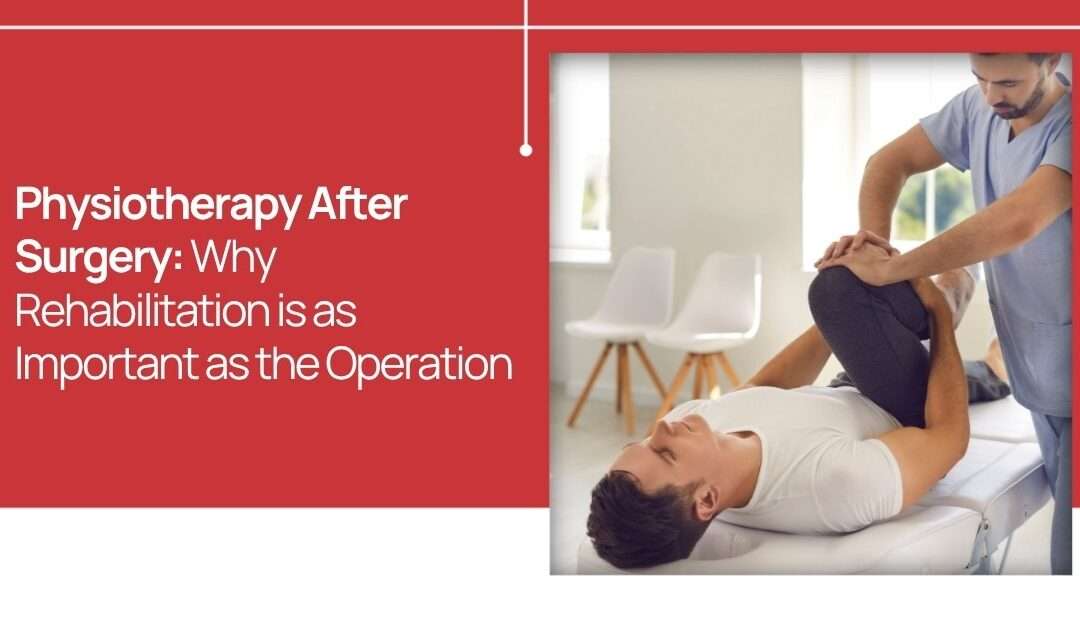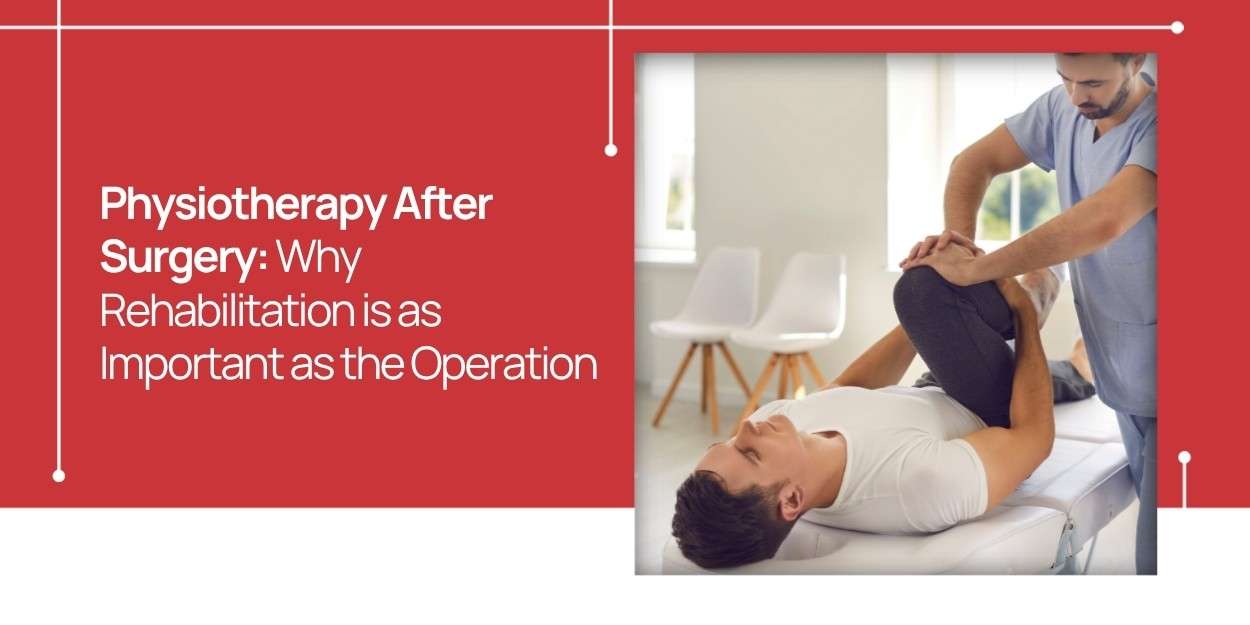

Physiotherapy After Surgery: Why Rehabilitation Is as Important as the Operation

Physiotherapy After Surgery: Why Rehabilitation Is as Important as the Operation

Physiotherapy After Surgery: Why Rehabilitation Is as Important as the Operation

Most people spend considerable time researching surgeons, comparing hospitals, and preparing themselves mentally for an operation. Yet very few give the same level of thought to what happens after they leave the operating theatre. This is where rehabilitation begins, and in many cases, it is this phase that truly determines how well a patient recovers. 

Surgery corrects a structural problem. It repairs a damaged knee joint, removes diseased tissue, realigns a fractured bone, or decompresses a nerve. But the body still has to learn how to function with that correction. Muscles have weakened from disuse. Scar tissue forms around the surgical site. The nervous system needs to relearn movement patterns. Without guided physiotherapy, all of this can go wrong, quietly and gradually, until limited mobility or chronic pain becomes the new normal. 

At Axon Speciality Hospital in Indiranagar, Bangalore, post-surgery rehabilitation is treated as an essential part of the treatment plan, not an optional add-on. This article explains why that approach makes all the difference. 

What Surgery Does and What It Cannot Do 

A well-performed surgical procedure creates the conditions for healing. It does not complete the healing on its own. This is a distinction that matters enormously for patient outcomes, particularly in orthopaedic and musculoskeletal surgeries. 

Take knee joint replacement as an example. The surgeon removes the damaged joint surfaces and replaces them with carefully fitted implants. The mechanical problem is resolved. But the muscles surrounding the knee, particularly the quadriceps, have typically been weakened for months or years before the surgery due to pain and reduced activity. The joint capsule has been opened and repaired. Swelling and inflammation will follow the procedure. 

Without a structured physiotherapy programme after knee joint replacement surgery, patients risk stiffness that restricts how far the knee can bend, muscle wasting that makes walking unstable, and scar tissue adhesions that physically limit joint movement. A technically excellent surgery can produce a poor outcome if rehabilitation is neglected. 

What Happens Inside the Body After Surgery 

Understanding the biological events that follow surgery helps explain why physiotherapy is timed and structured the way it is. 

In the first 48 to 72 hours, the body mounts an inflammatory response at the surgical site. Swelling, warmth, and pain are expected. This is a normal part of tissue healing, but movement during this stage must be carefully controlled rather than avoided entirely. Complete rest at this point actually slows healing and accelerates muscle loss. 

From day three onwards, the body begins laying down new collagen fibres to repair damaged tissue. The quality of this scar tissue depends partly on how the area is moved during healing. Controlled, guided movement encourages collagen fibres to align properly along lines of stress, producing stronger, more flexible scar tissue. Without movement, fibres form in a disorganised pattern, contributing to stiffness and reduced function. 

By weeks three to six, muscle atrophy becomes a serious concern. Research consistently shows that surgical patients can lose a measurable percentage of muscle mass in an affected limb within the first two weeks of reduced activity. Rebuilding this muscle requires progressive, targeted exercise under the supervision of a trained physiotherapist. 

The Four Phases of Post-Surgery Rehabilitation 

Phase 1: Acute Recovery (Days 1 to 14) 

The focus in this phase is managing pain and swelling while introducing gentle, controlled movement. Physiotherapy at this stage typically includes ankle pumps to prevent blood clots, gentle range-of-motion exercises, breathing exercises in cases of chest or abdominal surgery, and assisted walking with support. The goal is to get the patient moving safely as early as possible. 

Phase 2: Intermediate Rehabilitation (Weeks 2 to 6) 

As swelling reduces and the surgical wound heals, exercises become more targeted. For patients recovering from knee or hip surgery, this phase focuses on restoring joint range of motion, beginning weight-bearing exercises, and retraining balance. Soft tissue mobilisation by the physiotherapist helps prevent scar tissue from restricting movement. 

Phase 3: Strengthening (Weeks 6 to 12) 

This is the phase where muscle strength is progressively rebuilt. Resistance exercises are introduced, walking distance is increased, and functional activities such as stair climbing and getting up from a chair are practised. For patients who are physically active, sport-specific or occupation-specific tasks are incorporated. 

Phase 4: Return to Full Function (Weeks 12 and Beyond) 

The final phase focuses on returning the patient to the activities they want to do, whether that is walking comfortably in a park in Bangalore, returning to work, or resuming recreational sport. Progress is measured against the patient’s own functional goals, not a generic timeline. 

Pain Management and Physiotherapy Work Together 

One of the most common reasons patients fall behind in their rehabilitation is pain. If movement hurts, the natural instinct is to avoid it. This avoidance, while understandable, accelerates stiffness, prolongs muscle weakness, and can lead to a cycle of fear-avoidance where patients move less and less. 

Effective post-surgery rehabilitation requires that pain is managed well enough to allow therapeutic movement. This does not mean eliminating all discomfort, but it does mean keeping pain at a level where the patient can participate meaningfully in exercises. 

The pain management specialists at Axon Speciality Hospital in Bangalore work alongside the physiotherapy team to ensure patients are not held back from their recovery by undertreated pain. This coordination between pain care and rehabilitation is particularly important in the first four to six weeks after surgery, when patients are working hardest on regaining range of motion. 

Surgeries That Demand Dedicated Physiotherapy 

While physiotherapy is beneficial after virtually any major surgical procedure, certain surgeries carry a particularly high risk of poor outcomes without structured rehabilitation: 

  • Knee joint replacement, where quadriceps strength and joint flexion must be restored to allow normal daily activities 
  • Hip replacement, where gait retraining and hip stabiliser strengthening are essential for safe walking 
  • Spinal surgery, where core strengthening and postural retraining protect the surgical repair and prevent recurrence 
  • Shoulder surgery, where rotator cuff rehabilitation requires careful progressive loading over several months 
  • Cardiac surgery, where cardiac rehabilitation physiotherapy improves heart function and reduces readmission rates 
  • Ligament reconstruction in the knee, which requires a phased return-to-sport programme spanning six to twelve months 

In each of these cases, the physiotherapist is not simply helping the patient feel better. They are directly influencing the long-term function of the surgical repair. 

What Happens When Rehabilitation Is Skipped 

Patients who leave hospital after surgery and wait weeks before beginning physiotherapy, or who stop attending sessions once they feel reasonably comfortable, often experience outcomes that fall far short of what the surgery was capable of delivering. 

Common consequences of inadequate post-surgery rehabilitation include permanent loss of joint range of motion that does not improve no matter how much time passes, chronic weakness in the muscles around the operated area leading to instability and compensatory injuries, prolonged pain that shifts from surgical pain to movement-related pain caused by dysfunctional movement patterns, and increased risk of falling, particularly in older patients recovering from hip or knee surgery. 

In a significant number of cases, patients who skip rehabilitation end up returning for further medical care, including repeat surgery, to address complications that were directly caused by inadequate recovery. 

Integrated Orthopaedic and Rehabilitation Care at Axon 

At Axon Speciality Hospital, rehabilitation is built into the surgical care pathway rather than treated as a separate service. The orthopaedic care team in Bangalore coordinates directly with physiotherapy from the point of surgical planning, so that by the time a patient wakes up after their procedure, a personalised rehabilitation programme is already in place. 

This integrated model means there is no gap between the surgical team and the rehabilitation team. Progress is monitored at each stage, exercises are adjusted based on how the patient is responding, and the end goal is always full, functional recovery rather than simply wound healing. 

For patients in Indiranagar and the wider Bengaluru area, this level of coordinated post-surgery care is available close to home, removing one of the most common barriers to consistent rehabilitation attendance. 

Your Recovery Deserves as Much Attention as Your Surgery 

Surgery is often the beginning of a patient’s journey back to full health, not the end of it. The weeks and months that follow an operation are where the real work of recovery takes place. Physiotherapy is not a passive process of rest and waiting. It is an active, structured, evidence-based programme that directly shapes what the surgery ultimately achieves. 

If you are preparing for an upcoming procedure, have recently undergone surgery, or are concerned that your recovery has not progressed as expected, speaking with a rehabilitation specialist early makes a meaningful difference to your long-term outcome. 

Reach out to the specialist team at Axon Speciality Hospital in Indiranagar, Bengaluru to understand what a personalised post-surgery rehabilitation plan looks like for your specific procedure and recovery goals. 

Axon Speciality Hospital 

321, 6th Main Rd, HAL 2nd Stage, Indiranagar, Bengaluru – 560038 

Book your post-surgery rehabilitation consultation today. 

FAQs – Anaesthesiology 

Q1: How soon after surgery should physiotherapy begin?

In most cases, physiotherapy begins within 24 to 48 hours of surgery, even while the patient is still in the hospital. Early movement, under proper supervision, reduces the risk of blood clots, prevents muscle loss, and encourages better scar tissue formation. The exact timing depends on the type of surgery and the patient’s overall condition.

Q2: How long does post-surgery rehabilitation typically take in Bangalore?

The duration varies based on the procedure. Minor surgeries may require four to six weeks of structured physiotherapy, while major orthopaedic surgeries such as knee or hip replacement typically require three to six months of progressive rehabilitation. Spinal surgeries and ligament reconstructions can extend beyond six months depending on the patient’s recovery goals. 

Q3: Is physiotherapy painful after surgery?

Some discomfort during rehabilitation exercises is normal and expected, particularly in the first few weeks. However, rehabilitation should never involve sharp or severe pain. A trained physiotherapist continuously adjusts exercises based on pain levels, and the pain management team at Axon works alongside physiotherapy to ensure pain does not become a barrier to recovery.

Q4: Can I do post-surgery physiotherapy at home instead of visiting a hospital?

Certain exercises can be performed at home as part of a home programme assigned by your physiotherapist. However, especially in the first few weeks after major surgery, in-clinic sessions are important because the physiotherapist needs to assess joint range of motion, monitor swelling, correct movement patterns, and progress exercises safely. Doing this independently without supervision increases the risk of setbacks.

Q5: What happens if I skip physiotherapy sessions after knee replacement surgery in Bangalore?

Missing physiotherapy sessions after knee replacement significantly increases the risk of permanent stiffness, reduced knee flexion, and weak surrounding muscles. Many patients who skip rehabilitation end up with a functional outcome far below what the surgery was designed to deliver, and some require further medical intervention to address complications that developed during recovery.

Q6: Does physiotherapy after surgery help with long-term pain reduction?

Yes. One of the primary goals of post-surgery rehabilitation is to address the movement dysfunction and muscle weakness that, if left untreated, lead to chronic pain. Patients who complete a full rehabilitation programme consistently report lower long-term pain levels compared to those who stop physiotherapy early once initial discomfort subsides.

Q7: Is post-surgery physiotherapy covered under health insurance in India?

Many health insurance policies in India do cover physiotherapy as part of post-surgical care, particularly when it is prescribed by the treating orthopaedic or surgical specialist. It is advisable to check your specific policy terms and confirm coverage with your insurer before beginning a rehabilitation programme.

Q8: How is physiotherapy after surgery different for older patients?

Older patients typically have lower baseline muscle mass, reduced bone density, and slower healing rates, which means their rehabilitation programmes are paced more gradually with a stronger emphasis on fall prevention and balance training. Functional goals such as safe walking, stair climbing, and independent daily activities are prioritised. Close coordination between the physiotherapist, orthopaedic surgeon, and physician is especially important in this age group.

Type 2 Diabetes and Its Silent Damage to Your Kidneys, Heart, and Eyes: A Multispeciality Perspective

Type 2 Diabetes and Its Silent Damage to Your Kidneys, Heart, and Eyes: A Multispeciality Perspective

Type 2 Diabetes and Its Silent Damage to Your Kidneys, Heart, and Eyes: A Multispeciality Perspective

India is now home to over 100 million people living with diabetes, and Bangalore is no exception to this growing crisis. Behind the daily routine of blood sugar checks, dietary restrictions, and oral medications, something far more serious can be unfolding quietly inside the body. 

Most people with Type 2 diabetes focus almost entirely on keeping their glucose levels in range. That is important, but it is only part of the picture. The real long-term threat of diabetes is what elevated blood sugar does to the organs over months and years, often without producing any noticeable symptoms until the damage is already significant. 

The kidneys, heart, and eyes are among the first and most severely affected organs. Understanding how diabetes impacts each of these systems is the first step toward protecting them. 

Why Type 2 Diabetes Is More Than a Blood Sugar Problem 

When blood sugar stays elevated for long periods, it sets off a chain of events inside the body. Excess glucose attaches to proteins and damages blood vessel walls. It triggers low-grade inflammation. It disrupts the normal function of nerves. Over time, these processes wear down organs that depend on a healthy network of small blood vessels to function. 

The kidneys filter waste through millions of tiny vessels. The retina at the back of the eye is fed by a dense web of capillaries. The heart relies on coronary arteries that are highly sensitive to the kind of vascular damage diabetes causes. This is why diabetes does not just create a sugar problem. It creates a whole-body circulation problem. 

Managing Type 2 diabetes effectively requires looking beyond blood sugar readings and paying active attention to how the kidneys, heart, and eyes are holding up over time. 

How Diabetes Silently Harms the Kidneys 

Diabetic nephropathy, or diabetic kidney disease, is one of the leading causes of kidney failure globally. In the early stages, the kidneys actually overwork themselves trying to compensate for the damage. This is why most patients feel completely fine even as kidney function gradually declines. 

The damage begins with the filtration units inside the kidneys called glomeruli. High blood sugar causes them to leak proteins into the urine, which is one of the earliest detectable signs of kidney stress. A simple urine test checking for microalbuminuria can catch this years before kidney function visibly deteriorates. 

As damage progresses, the kidneys struggle to clear waste from the blood effectively. Patients may notice swelling in the ankles and feet, increased fatigue, or a decrease in urine output. By the time these symptoms appear, a significant degree of kidney damage has often already occurred. 

This is precisely why understanding the early signs of kidney disease and acting on them without delay is so critical for anyone living with Type 2 diabetes. Regular nephrology check-ups, even in the absence of symptoms, can make the difference between managing the condition and facing dialysis. 

At Axon Speciality Hospital, the nephrology and kidney care team in Bangalore works closely with diabetic patients to monitor kidney function over time and intervene early when risk factors begin to shift. A dedicated nephrology review is strongly recommended for anyone who has had Type 2 diabetes for five years or more. 

The Link Between Diabetes and Heart Disease 

People with Type 2 diabetes are two to four times more likely to develop cardiovascular disease compared to those without diabetes. This is not a coincidence. High blood sugar, insulin resistance, and the metabolic changes that come with diabetes directly accelerate the buildup of plaque in the arteries, a process called atherosclerosis. 

Over time, narrowed and stiffened arteries reduce blood flow to the heart muscle. This can lead to angina, heart attacks, heart failure, and stroke. What makes this particularly dangerous is that diabetic patients often have reduced pain sensitivity due to nerve damage, meaning they may experience a heart attack with minimal or no chest pain, referred to as a silent heart attack. 

High blood pressure and high cholesterol, both of which commonly occur alongside Type 2 diabetes, compound this risk significantly. Managing all three conditions together is essential to protecting the heart. 

A proactive consultation with an experienced heart specialist at Axon Speciality Hospital in Indiranagar can help diabetic patients understand their current cardiovascular risk level and put a personalised prevention plan in place before a cardiac event occurs. 

How Diabetes Affects Your Eyes 

Diabetic retinopathy is the leading cause of preventable blindness among working-age adults in India. Like kidney disease, it develops silently. In the early stages, there is no blurring of vision, no pain, and no visible sign that anything is wrong. Yet inside the eye, blood vessels in the retina are weakening, leaking, and in some cases growing abnormally. 

If left undetected, retinopathy can progress to the point where the retina detaches or severe bleeding occurs inside the eye, both of which can cause permanent vision loss. The tragedy is that with regular screening and timely treatment, the vast majority of vision loss from diabetic retinopathy is entirely preventable. 

Every person with Type 2 diabetes should have a dilated retinal examination at least once a year, regardless of whether their vision feels normal. Early detection through a simple eye examination can preserve sight for decades.

Early Warning Signs Across All Three Systems 

Because diabetes-related organ damage often develops without obvious symptoms, knowing what subtle changes to watch for is important. Across the kidneys, heart, and eyes, the following signals deserve medical attention: 

Kidney-related signals 

  • Swelling in the feet, ankles, or around the eyes 
  • Frothy or foamy urine 
  • Persistent fatigue that does not improve with rest 
  • A decrease in how frequently you pass urine 
  • Loss of appetite or unexplained nausea 

Heart-related signals 

  • Unexplained breathlessness during light activity or at rest 
  • Discomfort, pressure, or heaviness in the chest 
  • Irregular heartbeat or persistent palpitations 
  • Swelling in the lower legs that develops over days 
  • Sudden dizziness or lightheadedness without clear cause 

Eye-related signals 

  • Blurred or fluctuating vision 
  • Dark floating spots or streaks in your field of vision 
  • Difficulty reading in dim light 
  • Colours appearing washed out or less vivid 
  • Sudden vision loss in one or both eyes 

Why a Multispeciality Approach Is the Right One for Diabetes 

A single doctor managing all aspects of diabetes care is no longer the most effective approach, particularly for patients who have had the condition for several years. The interconnected nature of kidney disease, heart disease, and eye disease in diabetic patients means that decisions made in one area of care directly affect the others. 

For example, certain blood pressure medications used in cardiac care have a protective effect on the kidneys in diabetic patients. Similarly, tight blood sugar control required for kidney protection also reduces the risk of diabetic retinopathy. When specialists work in silos, these connections are easily missed. 

At Axon Speciality Hospital in Indiranagar, Bengaluru, the multispeciality team brings together cardiologists, nephrologists, and other organ specialists under one roof. Patients receive coordinated care where each specialist is aware of the full clinical picture, not just their area in isolation. This integrated approach leads to more effective outcomes and fewer complications over the long term. 

What You Can Do Right Now 

Living with Type 2 diabetes does not automatically mean organ damage is inevitable. The rate at which complications develop is directly tied to how well the condition is managed and how closely the organs are monitored. There are concrete steps every diabetic patient in Bangalore can take today: 

  • Schedule a kidney function test (eGFR and urine albumin) if you have not had one in the past year 
  • Ask your doctor whether you are due for a cardiac risk assessment, including a lipid panel and ECG 
  • Book a dilated eye examination with an ophthalmologist if you have not had one recently 
  • Review your blood pressure and cholesterol targets with your physician, as these matter as much as blood sugar 
  • Do not wait for symptoms. Organ damage in diabetes is largely silent in its early stages 

Taking Diabetes Seriously Means Taking the Whole Body Seriously 

Type 2 diabetes is a condition that touches virtually every system in the body. Managing blood sugar is necessary, but it is not sufficient on its own. The kidneys, the heart, and the eyes all need regular attention and proactive care from specialists who understand the unique way diabetes affects each of them. 

Bangalore residents dealing with Type 2 diabetes deserve a care team that looks at the full picture, not just the latest blood sugar reading. If you or a family member has been living with diabetes and has not had a recent organ health review, now is the right time to act. 

Speak with the specialist team at Axon Speciality Hospital in Indiranagar, Bengaluru, where cardiology, nephrology, and multispeciality expertise work together to help diabetic patients protect their organs and maintain quality of life for the long term. 

Axon Speciality Hospital 

321, 6th Main Rd, HAL 2nd Stage, Indiranagar, Bengaluru – 560038 

Book your multispeciality diabetes consultation today. 

FAQs

Q1: Can Type 2 diabetes cause kidney failure even if my blood sugar is well controlled?

Yes, kidney damage can still progress in some patients even with good blood sugar control, particularly if blood pressure or cholesterol is not well managed alongside it. Regular kidney function tests are important regardless of how stable your sugar levels appear. 

Q2: How early can diabetes start damaging the kidneys?

Kidney stress can begin within the first few years of a Type 2 diabetes diagnosis. In most cases it is completely silent in the early stages, which is why annual screening for microalbuminuria (protein in urine) is recommended from the time of diagnosis. 

Q3: Is diabetic heart disease different from regular heart disease?

Yes. Diabetic patients often experience a condition called diabetic cardiomyopathy, where the heart muscle weakens independently of blocked arteries. They are also more likely to have silent heart attacks, where chest pain is minimal or absent due to diabetic nerve damage.

Q4: Can diabetic eye damage be reversed?

Early-stage diabetic retinopathy can be halted and sometimes partially reversed with tight blood sugar and blood pressure control. However, advanced retinopathy with significant bleeding or retinal detachment may only be managed, not reversed. Early detection is the only reliable way to protect vision. 

Q5: How often should a diabetic patient see a specialist in Bangalore?

A diabetic patient ideally needs a nephrology review once a year, a cardiac risk assessment every six to twelve months depending on existing risk factors, and an annual dilated eye examination. If any of these systems shows early signs of damage, review frequency should increase. 

Q6: What is the connection between blood pressure and diabetes complications?

High blood pressure accelerates kidney damage, increases cardiovascular risk, and can worsen diabetic retinopathy. Keeping blood pressure below 130/80 mmHg is a key target for diabetic patients and is as important as controlling blood sugar itself.

Q7: Why is a multispeciality hospital better for diabetes management than a single specialist?

Because diabetes affects multiple organs simultaneously, a cardiologist, nephrologist, and ophthalmologist each need to be aware of what the others are doing. Treatment decisions in one area can directly support or conflict with care in another. A coordinated team at a multispeciality hospital like Axon ensures all specialists are aligned. 

Q8: At what HbA1c level does organ damage typically begin?

Sustained HbA1c levels above 7% over long periods are associated with progressive organ damage. However, the risk is not a fixed threshold. Even mildly elevated levels over many years can cause cumulative damage, which is why long-term consistency in control matters more than short-term readings. 

Warning Signs You Should Never Ignore: When to Visit a Cardiologist in Bangalore

Warning Signs You Should Never Ignore: When to Visit a Cardiologist in Bangalore

Warning Signs You Should Never Ignore: When to Visit a Cardiologist in Bangalore


Your heart beats roughly 100,000 times a day. It works silently, continuously, without asking for much in return. Yet when something goes wrong, it rarely stays quiet for long. The problem is that most people brush off early heart-related symptoms as stress, acidity, or fatigue until the damage is done. 

Bangalore is one of India’s most fast-paced cities. Long work hours, erratic eating habits, traffic-induced stress, and sedentary lifestyles have made cardiovascular disease one of the fastest-growing health concerns across the city, cutting across age groups and professions. The good news is that most serious cardiac events are preventable when you catch the warning signs early and consult the right specialist at the right time. 

This guide walks you through the key symptoms your body sends before a cardiac event, so you know exactly when it is time to stop guessing and start acting. 

What Does a Cardiologist Actually Do? 

A cardiologist is a specialist physician trained in diagnosing, treating, and preventing diseases related to the heart and blood vessels. From managing hypertension and arrhythmias to guiding patients through heart failure recovery, a cardiologist’s role goes far beyond just ordering an ECG. 

At Axon Speciality Hospital’s cardiology department in Indiranagar, patients have access to experienced heart specialists who combine advanced diagnostic tools with personalised care. Whether you are experiencing mild symptoms or managing a long-term cardiac condition, having a dedicated cardiologist on your care team makes a significant difference. 

    7 Warning Signs That Should Prompt a Cardiology Consultation 

    1. Chest Pain, Pressure, or Tightness

    This is the most widely recognised cardiac symptom, and for good reason. Chest discomfort that feels like squeezing, heaviness, or burning, especially when it radiates to your left arm, jaw, neck, or back, should never be dismissed as acidity or muscle soreness. 

    Not all chest pain points to a heart attack, but the only way to rule out a serious cardiac cause is through proper evaluation. If the chest pain is sudden and severe, or comes with sweating and breathlessness, head directly to the 24/7 emergency medical care unit at Axon Speciality Hospital without delay. 

    1. Unexplained Shortness of Breath

    Feeling breathless after climbing a flight of stairs when you previously had no trouble is a red flag worth investigating. The heart and lungs work closely together. When the heart struggles to pump blood efficiently, fluid can build up in the lungs, making even routine activity feel exhausting. 

    If breathlessness appears suddenly, occurs at rest, or wakes you up at night, schedule a consultation with a cardiologist promptly. This symptom is commonly overlooked in women, who often experience atypical cardiac symptoms far more frequently than men. 

    1. Heart Palpitations or Irregular Heartbeat

    An occasional fluttering in your chest after caffeine or a stressful meeting can be harmless. However, if you notice a persistent racing heart, skipped beats, or a pounding sensation that does not resolve on its own, it could indicate an arrhythmia, which is an irregular electrical pattern in the heart. 

    Some arrhythmias are benign, while others such as atrial fibrillation significantly raise the risk of stroke. A cardiologist can use an ECG or Holter monitor to capture what is happening in real time and recommend the right course of action. 

    1. Dizziness, Lightheadedness, or Fainting

    Feeling faint without an obvious reason such as dehydration or prolonged standing can point to a drop in blood pressure caused by a cardiac issue. Sudden loss of consciousness, even briefly, warrants urgent cardiac evaluation. 

    This symptom often goes unreported because patients attribute it to tiredness or low blood sugar. If it happens more than once or is accompanied by other cardiac warning signs, do not wait for it to pass on its own. 

    1. Swelling in the Legs, Feet, or Ankles

    Persistent swelling in the lower extremities, particularly if it is new or progressive, can be a sign of heart failure or venous insufficiency. When the heart is not pumping efficiently, blood pools in the legs, causing visible swelling, heaviness, or a tight sensation. 

    This symptom is frequently seen in patients who already have high blood pressure or a history of heart disease. However, it can also be the first sign of an undetected cardiac issue in otherwise healthy individuals. 

    1. Chronic Fatigue Without Explanation

    Feeling tired after a demanding week is perfectly normal. But deep, persistent fatigue that does not improve with rest, especially in women, can be an early signal of heart disease. The heart compensates for reduced function by working harder, leaving the body perpetually drained. 

    If fatigue is accompanied by any other symptoms on this list, it strengthens the case for a thorough cardiac evaluation. The cardiologists at Axon Speciality Hospital in Bangalore are equipped to assess this systematically and identify the underlying cause. 

    1. High Blood Pressure That Is Difficult to Control

    Hypertension is often called the silent killer because it causes no visible symptoms while steadily damaging the heart, arteries, kidneys, and brain. If you have been diagnosed with high blood pressure and it is not responding well to lifestyle changes or current medication, a cardiologist needs to assess whether heart or vascular damage has already begun. 

    Who Is at High Risk for Heart Disease in Bangalore? 

    While cardiac disease can affect anyone, certain groups face a disproportionately higher risk: 

    • Adults over 40, especially men with a sedentary desk job 
    • Individuals with a family history of heart disease or stroke 
    • Those with diabetes, high cholesterol, or obesity, conditions that increasingly affect the working population in Bengaluru 
    • Chronic smokers or individuals with high alcohol intake 
    • Postmenopausal women, who lose the protective effect of estrogen 
    • Anyone under prolonged psychological or occupational stress 

    It is also worth noting that South Asians, including Indians, have a genetic predisposition to coronary artery disease that tends to manifest earlier in life compared to Western populations. This makes proactive cardiac screening even more important for residents of Bangalore.

    Why Early Consultation Matters More Than You Think 

    Many patients who suffer major cardiac events admit they had warning signs weeks or even months earlier, symptoms they chose to ignore, self-medicate, or simply live with. Early cardiology consultation does not just treat existing disease. It identifies risk factors before they cause irreversible damage. 

    At Axon Speciality Hospital in Indiranagar, Bangalore, the cardiology team follows a comprehensive evaluation approach, from ECGs and echocardiograms to stress tests and advanced lipid panels, giving you a complete picture of your cardiac health in one visit. 

    Cardiac Care in the Context of Your Overall Health 

    Heart health rarely exists in isolation. Patients dealing with kidney disease, for example, are at significantly elevated risk for cardiovascular complications, a connection well-recognised in nephrology circles. Similarly, conditions managed by a gastroenterologist such as chronic inflammation have emerging links to cardiac risk. When you choose a multispeciality hospital like Axon, your cardiologist is supported by a full team of specialists who communicate and coordinate, ensuring nothing falls through the cracks. 

    If you are also managing chronic or acute pain that could be masking cardiac symptoms, it is equally important to have a cross-specialty discussion during your visit. 

    When to Go Directly to the Emergency Room 

    Some symptoms do not call for a scheduled appointment. Seek emergency care immediately if you experience: 

    • Sudden, severe chest pain lasting more than a few minutes 
    • Chest pain with cold sweat, nausea, or vomiting 
    • Sudden difficulty speaking, arm weakness, or facial drooping (possible stroke) 
    • Loss of consciousness or near-fainting episodes 
    • Extreme breathlessness at rest  

    Axon Speciality Hospital operates a fully equipped emergency medical facility in Bangalore available around the clock, staffed to handle time-critical cardiac emergencies with speed and precision. 

    Your Heart Cannot Wait 

    Heart disease does not announce itself with a formal notice. It works through subtle signals, a pressure in the chest here, an unusual fatigue there, a skipped beat you almost missed. The question is whether you are paying close enough attention. 

    If you or someone in your family has been experiencing any of the symptoms described above, the right step is not to search for reassurance online. It is to speak with an experienced cardiologist at Axon Speciality Hospital in Indiranagar, Bangalore, get properly evaluated, and take back control of your heart health. 

    Axon Speciality Hospital 

    321, 6th Main Rd, HAL 2nd Stage, Indiranagar, Bengaluru – 560038 

    Book your cardiac consultation today. 

    Breast Cancer Signs and Early Detection: What Every Woman Needs to Know

    Breast Cancer Signs and Early Detection: What Every Woman Needs to Know

    Breast Cancer Signs and Early Detection: What Every Woman Needs to Know

    Breast cancer continues to be among the most prevalent types of cancer in women in India and worldwide. As much as a diagnosis can be daunting, the good news is that early detection significantly enhances treatment outcomes and survival rates. At Axon Multispeciality Hospital, we are dedicated to creating awareness and delivering top-level care through our panel of the best oncology doctors in Bangalore.

    Knowing breast cancer signs and detecting it early is the key to gaining control over your health. In this post, we’ll walk you through warning signs, screening options, and how our staff at Axon can assist if you or someone you know requires attention.


    Why Early Detection Matters


    Early detection of breast cancer means:

    • More treatment choices

    • Less aggressive treatment options

    • Higher survival rates

    When found early, breast cancer can be more easily treated, and survival is much more likely. Unfortunately, many women delay seeing a doctor because they aren’t aware of their symptoms or risk.

    At Axon Hospital, we emphasize ongoing screenings and education.
    Learn more about our oncology services here to see how we can assist with early diagnosis and treatment.


    Common Symptoms of Breast Cancer to Look Out For

    Knowing what to look out for can be the difference-maker. The following are some common breast cancer symptoms:

    • A new lump in the breast or underarm
      This is probably the most recognized symptom. Although not every lump will be cancer, any lump that is new or different should be examined by a doctor.

    • Changes in breast size or shape
      If one breast appears different from the other or you experience swelling or asymmetry, it’s worth getting it checked.

    • Skin changes
      Watch for redness, thickening, or puckering of the skin on the breast, which can feel like the texture of an orange peel.

    • Nipple changes
      Look for inversion, discharge (particularly clear or bloody), itching, or new sensitivity.

    • Persistent breast pain
      While pain is not a typical symptom of breast cancer, any ongoing discomfort should be mentioned to your doctor.

    • Swelling or warmth
      If your breast is warm or swollen without any reason, don’t ignore it.

    If you observe any of these changes, we advise you to make a consultation with an expert.
    Meet our oncology specialists here


    Breast Cancer Diagnosis at Axon Hospital

    At Axon Multispeciality Hospital, we use state-of-the-art diagnostic technologies to diagnose breast cancer early and precisely. Common diagnostic methods include:

    • Clinical Breast Examination
      A doctor examines the breasts by touch to identify lumps or abnormalities.

    • Mammogram
      A low-dose X-ray that can detect tumors that cannot be felt manually.

    • Ultrasound or MRI
      These imaging tests provide detailed views and are often used for younger women or complex cases.

    • Biopsy
      If an area appears suspicious, a small tissue sample is taken and tested for cancer cells.

    We offer complete diagnostic support with the latest technology and experienced professionals to ensure accuracy and quick results.


    Who Should Be Screened?

    Every woman should take proactive steps to monitor her breast health. Here’s a general guideline for screenings:

    • Women in their 20s and 30s:
      Perform monthly self-exams and have a clinical breast exam every 3 years.

    • Women aged 40 to 49:
      Get annual clinical breast exams and discuss mammogram options with your doctor—especially if you’re at high risk.

    • Women aged 50 and above:
      Schedule mammograms and clinical checkups every year.

    If you have a family history of breast cancer or carry genetic mutations like BRCA1 or BRCA2, your doctor may recommend earlier and more frequent testing.


    How Axon Supports Breast Cancer Patients

    At Axon Multispeciality Hospital, we practice patient-centered cancer care, which means treating more than just the illness—we support the whole person. Our offerings include:

    • Personalized treatment plans by our expert oncology team

    • Surgical and non-surgical options including chemotherapy and targeted therapy

    • Psychological counseling and emotional support

    • Rehabilitation and long-term follow-up care

    We are here for you throughout your journey—from diagnosis to recovery—with some of the best oncology doctors in Bangalore.

    Explore our oncology department


    How to Reduce Your Risk

    While breast cancer can’t always be prevented, lifestyle changes can reduce your risk:

    • Stay physically active and maintain a healthy weight

    • Avoid smoking

    • Limit alcohol intake

    • Eat a balanced, nutrient-rich diet

    • Do regular self-breast exams

    • Get regular clinical screenings and mammograms

    • Know your family history and speak with your doctor about it


    Conclusion: Breast Cancer Symptoms and Early Detection Can Save Lives

    Understanding breast cancer signs and taking action early puts women in control of their health. At Axon Hospital, we are committed to delivering complete breast cancer care—from early screening to advanced treatments—backed by a team that truly cares.

    If you or a loved one notices any symptoms or simply wants to schedule a preventive screening, don’t wait.
    Book your consultation with our specialists today

    Chronic Pain vs. Acute Pain: What’s the Difference and How a Pain Specialist at Axon Hospital Can Help

    Chronic Pain vs. Acute Pain: What’s the Difference and How a Pain Specialist at Axon Hospital Can Help

    Chronic Pain vs. Acute Pain: What’s the Difference and How a Pain Specialist at Axon Hospital Can Help

    Pain is a universal experience, but not all pain is the same. Understanding the distinction between chronic pain and acute pain is essential in receiving the right diagnosis and treatment. At Axon Speciality Hospital, our expert Pain Specialist focus on identifying the root causes of pain and providing customized treatment plans that support long-term healing and improved quality of life.

    If you’re struggling with persistent discomfort, knowing whether it’s acute or chronic pain can help you seek timely intervention from a trusted Pain Specialist. Let’s explore the differences and how Axon Hospital offers advanced solutions to help you live pain-free.

    What is Acute Pain?

    Acute pain typically arises suddenly due to a specific injury, surgery, illness, or medical procedure. It’s the body’s way of signaling damage or potential harm. Acute pain is generally short-lived and resolves once the underlying cause is treated.

    Common Causes of Acute Pain:

    • Cuts, burns, or abrasions
    • Broken bones or sprains
    • Post-surgical pain
    • Infections or inflammation
    • Dental procedures
    • Childbirth or labor

    This type of pain may be sharp or intense but usually disappears within a few days to weeks, depending on the healing process. Acute pain is often considered a protective mechanism that prompts action—such as pulling your hand away from a hot surface or resting after an injury.

    What is Chronic Pain?

    Chronic pain is defined as pain that persists for more than three months, even after the original injury or illness has healed. It can range from mild to severe and may be constant or intermittent. Chronic pain often affects one’s mental and emotional health, leading to fatigue, anxiety, depression, and sleep disturbances.

    Common Types of Chronic Pain Include:

    • Arthritis or joint pain
    • Neuropathic pain (nerve damage)
    • Migraines or chronic headaches
    • Fibromyalgia
    • Lower back pain
    • Cancer-related pain
    • Phantom limb pain (after amputation)

    Unlike acute pain, which is usually straightforward to treat, chronic pain requires a multidisciplinary approach and long-term management. That’s where the expertise of a dedicated Pain Specialist becomes crucial.

    Key Differences Between Chronic and Acute Pain

    Feature Acute Pain Chronic Pain
    Onset Sudden Gradual or follows acute pain
    Duration Short-term (days to weeks) Long-term (over 3 months)
    Cause Specific injury or illness Sometimes unidentifiable
    Function Protective Often non-protective, disruptive
    Treatment Immediate interventions Ongoing pain management

    Understanding these differences helps both patients and clinicians develop the right strategies for pain relief and recovery.

    Why Seek Help from a Pain Specialist?

    Pain that lingers or becomes severe shouldn’t be ignored. A Pain Specialist is a doctor trained to evaluate, diagnose, and treat a wide range of pain disorders using both medical and non-invasive methods. At Axon Speciality Hospital, our Pain Specialists work closely with patients to understand the source of their discomfort and guide them toward effective, long-lasting relief.

    Comprehensive Pain Management at Axon Speciality Hospital

    At Axon Speciality Hospital, we are committed to helping patients regain control of their lives through innovative pain management solutions. Whether you’re dealing with chronic conditions or recovering from surgery, our holistic treatment approach is designed to restore function and comfort.

    Our Pain Management Services Include:

    1. Thorough Evaluation & Diagnosis
      We use advanced diagnostic tools, physical assessments, and patient history to identify the exact source of pain.
    2. Medication Management
      Tailored prescriptions, including anti-inflammatory drugs, nerve pain medications, or muscle relaxants, are administered under close supervision.
    3. Nerve Blocks and Injections
      These minimally invasive procedures can help block pain signals and reduce inflammation at the source.
    4. Physiotherapy and Rehabilitation
      Customized physiotherapy sessions aid in strengthening muscles, improving mobility, and reducing long-term pain.
    5. Lifestyle & Behavioral Counseling
      Chronic pain often requires a lifestyle overhaul. Our specialists offer guidance on ergonomics, nutrition, stress management, and mental wellness.
    6. Minimally Invasive Pain Procedures
      Techniques such as radiofrequency ablation, epidural steroid injections, and spinal cord stimulation may be recommended for advanced pain relief.

    Explore our complete range of services here.

    Meet Our Experts

    At Axon Hospital, our strength lies in our multidisciplinary team of healthcare professionals who are passionate about delivering compassionate and personalized care. From neurologists and orthopedic surgeons to physiotherapists and counselors, our Pain Specialists and doctors collaborate to address every aspect of your pain journey.

    Each patient is different—and so is every pain experience. That’s why our team believes in customized care plans rather than one-size-fits-all solutions.

    When to See a Pain Specialist

    If you are experiencing:

    • Pain that lasts longer than expected
    • Difficulty performing daily activities
    • Dependence on over-the-counter medications
    • Pain that affects your sleep or mood
    • No improvement with general treatment

    …it’s time to consult a Pain Specialist at Axon Speciality Hospital.

    Early intervention not only improves outcomes but also prevents the progression of pain into chronic conditions. Delaying care can often lead to further complications and reduced quality of life.

    Conclusion: Reclaim Your Life with the Help of a Pain Specialist

    Living with pain—whether acute or chronic—can take a toll on your physical, mental, and emotional well-being. But with the right medical support, recovery is possible. At Axon Speciality Hospital, our team of experienced Pain Specialists is dedicated to helping you understand your pain, manage it effectively, and get back to doing the things you love.

    Don’t let pain control your life. Take the first step toward lasting relief by exploring our services or meeting our expert doctors today.

    How Plastic Surgery Can Enhance Confidence and Well-Being?

    How Plastic Surgery Can Enhance Confidence and Well-Being?

    How Plastic Surgery Can Enhance Confidence and Well-Being?

    Plastic surgery has long been associated with beauty enhancement, but its impact goes far beyond aesthetics. Many individuals choose plastic or cosmetic procedures not just for appearance but to improve their self-confidence and overall well-being. With advancements in medical science and experienced professionals at a speciality hospital in Bangalore, achieving natural-looking, safe, and effective results is now more accessible than ever.

    The Psychological Benefits of Plastic Surgery

    One of the primary reasons people consider plastic surgery is to boost their self-confidence. When individuals feel good about their appearance, they often experience improvements in various aspects of life, including social interactions, career opportunities, and personal relationships. Here’s how plastic surgery can contribute to mental and emotional well-being:

    1. Improved Self-Esteem
      For many, dissatisfaction with a particular feature can lead to low self-esteem and self-consciousness. Whether it’s correcting a nose shape, reducing excess skin, or enhancing body contours, plastic surgery can help individuals feel more comfortable and confident in their own skin.
    2. Reduced Social Anxiety
      Feeling insecure about one’s appearance can lead to social withdrawal or hesitation in public settings. After undergoing plastic surgery, individuals often report feeling more at ease in social situations, leading to a more active and fulfilling social life.
    3. Emotional Healing from Trauma or Medical Conditions
      Plastic surgery is not just about cosmetic changes—it can also restore confidence for those who have experienced accidents, burns, or medical conditions like breast cancer. Reconstructive surgery helps individuals regain their sense of normalcy and confidence.

    How Plastic Surgery Contributes to Physical Well-Being

    Apart from the psychological benefits, plastic surgery can also improve physical health and quality of life. Some procedures offer functional benefits in addition to aesthetic enhancements:

    1. Relief from Physical Discomfort
      Procedures like breast reduction surgery can alleviate chronic back and neck pain, while rhinoplasty can improve breathing difficulties caused by structural nasal issues.
    2. Encouragement for a Healthier Lifestyle
      Many patients who undergo body contouring procedures, such as liposuction or tummy tucks, are motivated to maintain their results by adopting healthier lifestyles, including regular exercise and a balanced diet.
    3. Rejuvenation and Anti-Aging Benefits
      As people age, they may experience sagging skin, wrinkles, and other signs of aging that can affect confidence. Procedures like facelifts, botox, and fillers can help individuals maintain a youthful and refreshed appearance.

    Choosing the Right Medical Facility

    For safe and successful outcomes, selecting a reputable speciality hospital in Bangalorewith experienced plastic surgeons is crucial. A well-equipped facility ensures patients receive high-quality care, personalized treatment plans, and post-surgical support to achieve the best possible results.

    Conclusion

    Plastic surgery is more than just enhancing physical appearance—it plays a significant role in boosting confidence, improving mental well-being, and even addressing certain physical discomforts.

    With expert guidance and advanced procedures available at a speciality hospital in Bangalore, individuals can achieve their desired transformations safely and effectively. If you’re considering plastic surgery, consult with a qualified specialist to explore the options that best align with your needs and goals.